A Visit to Chiminisijuan

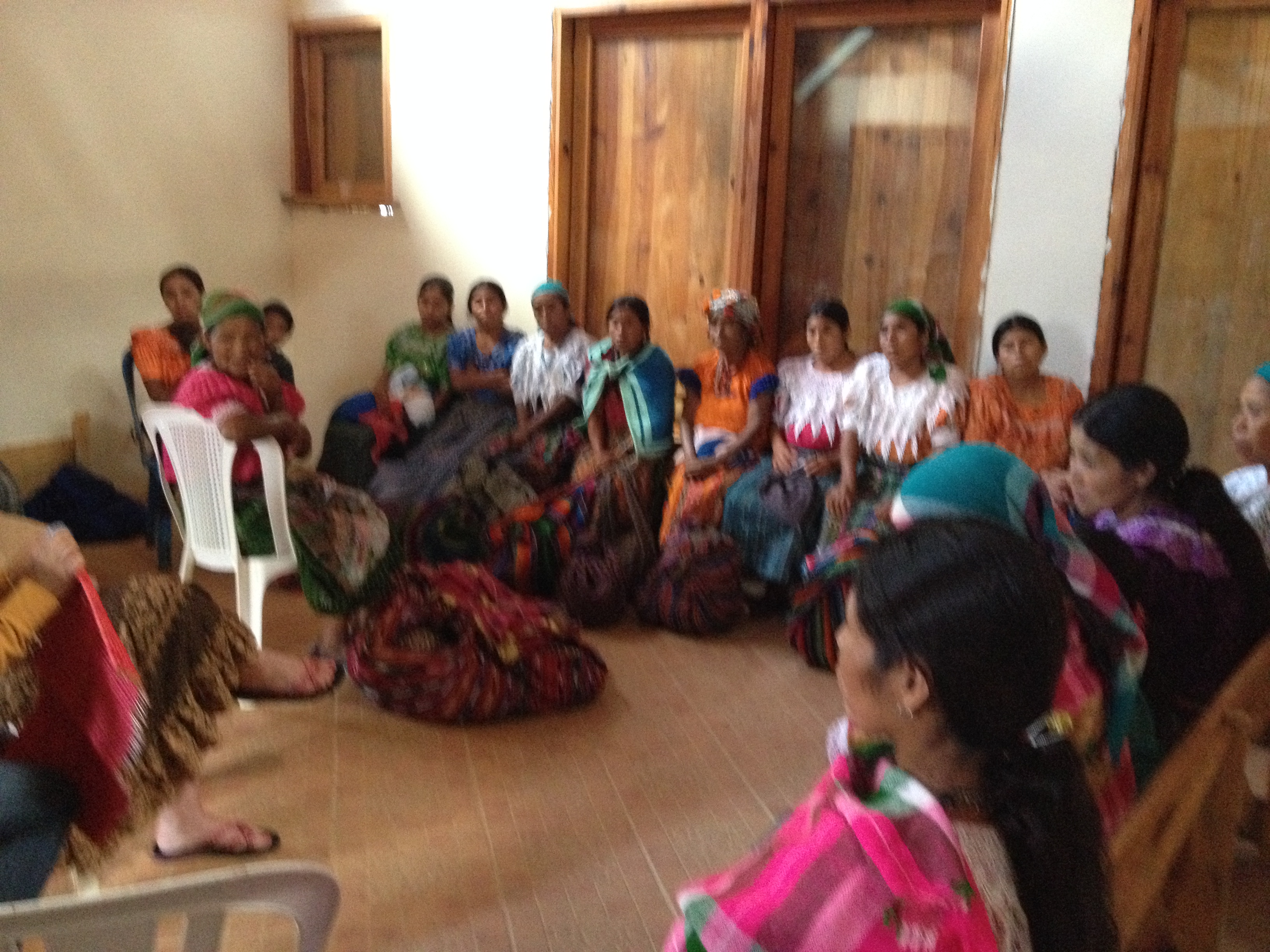
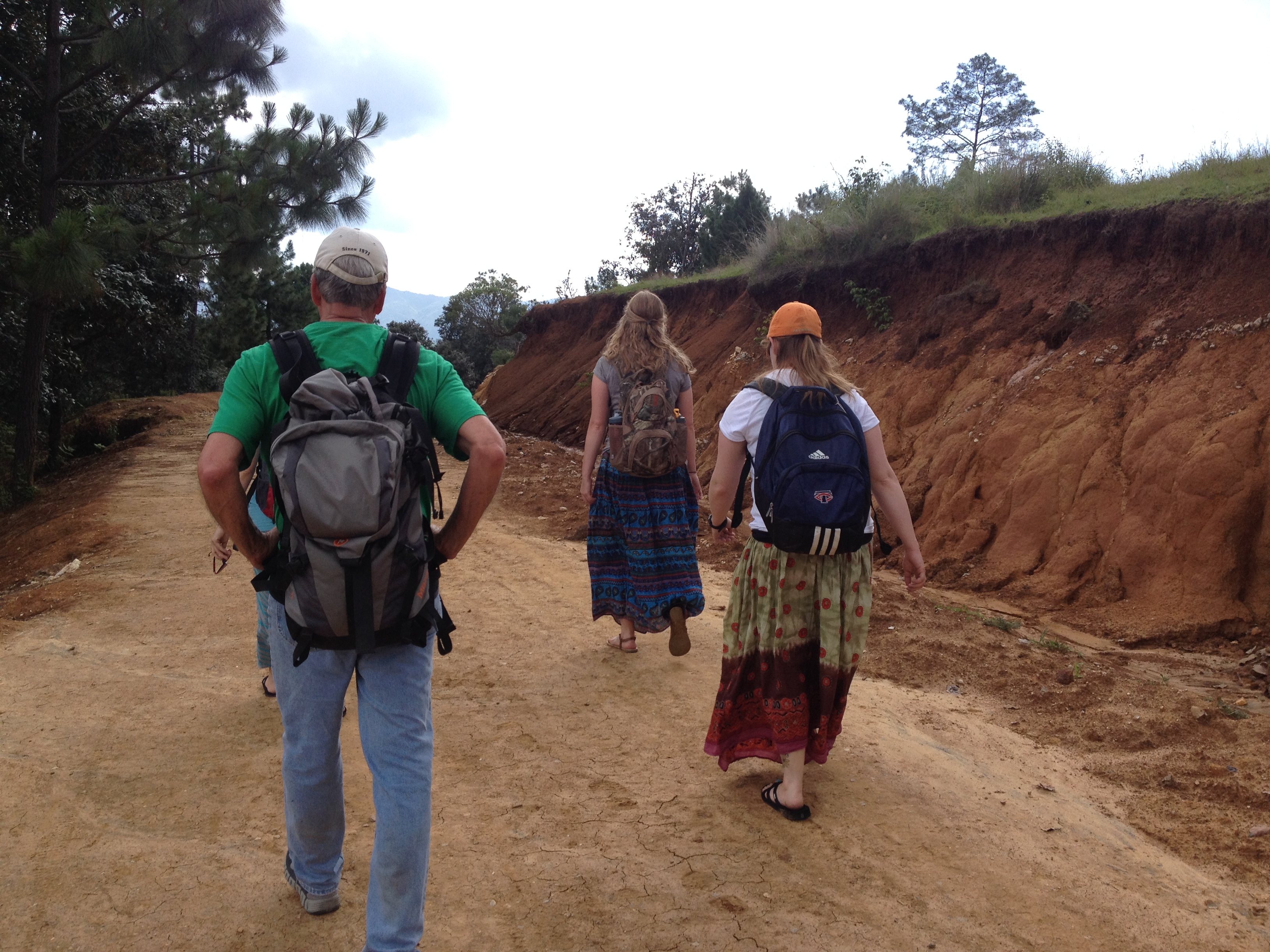
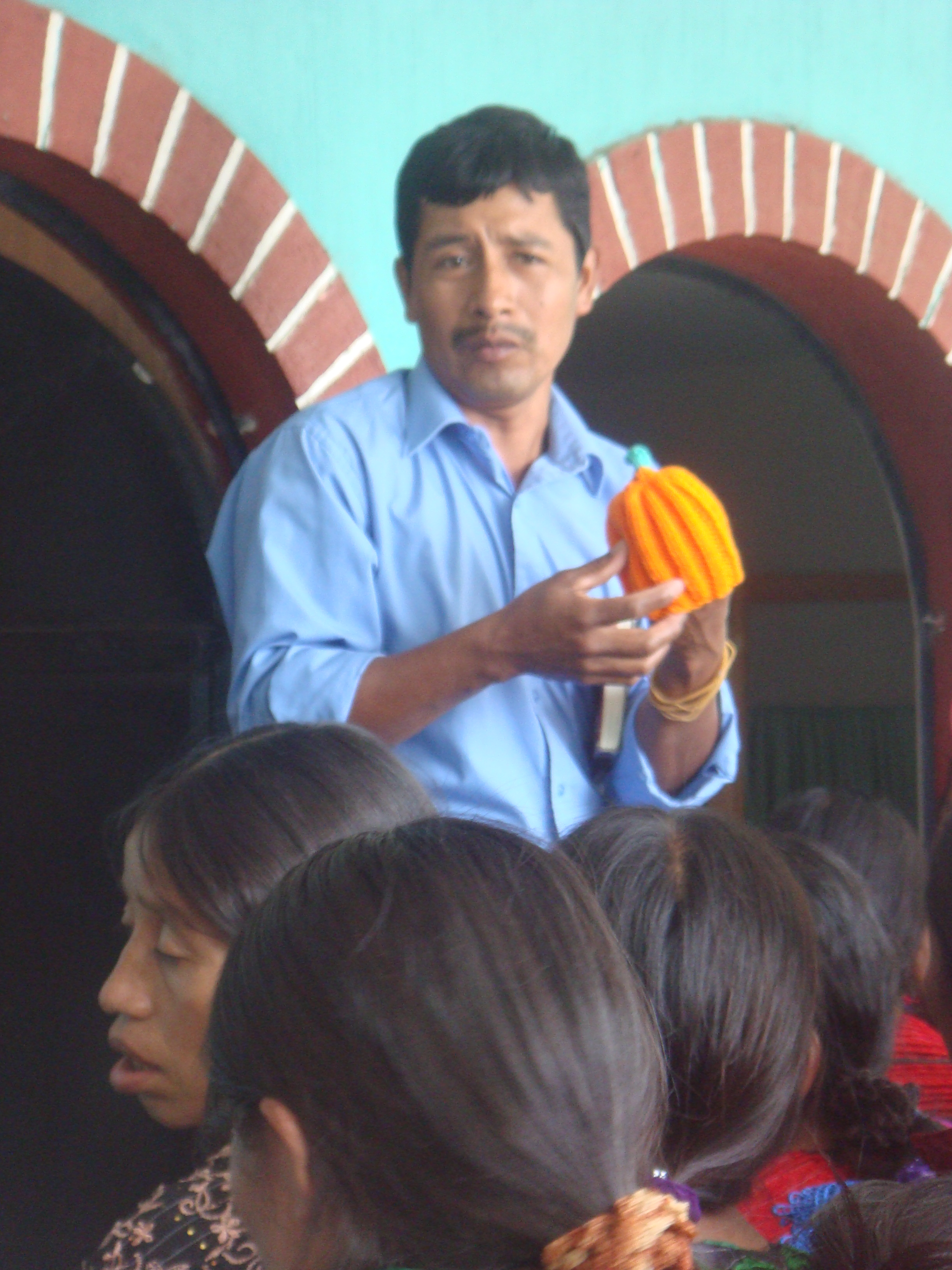
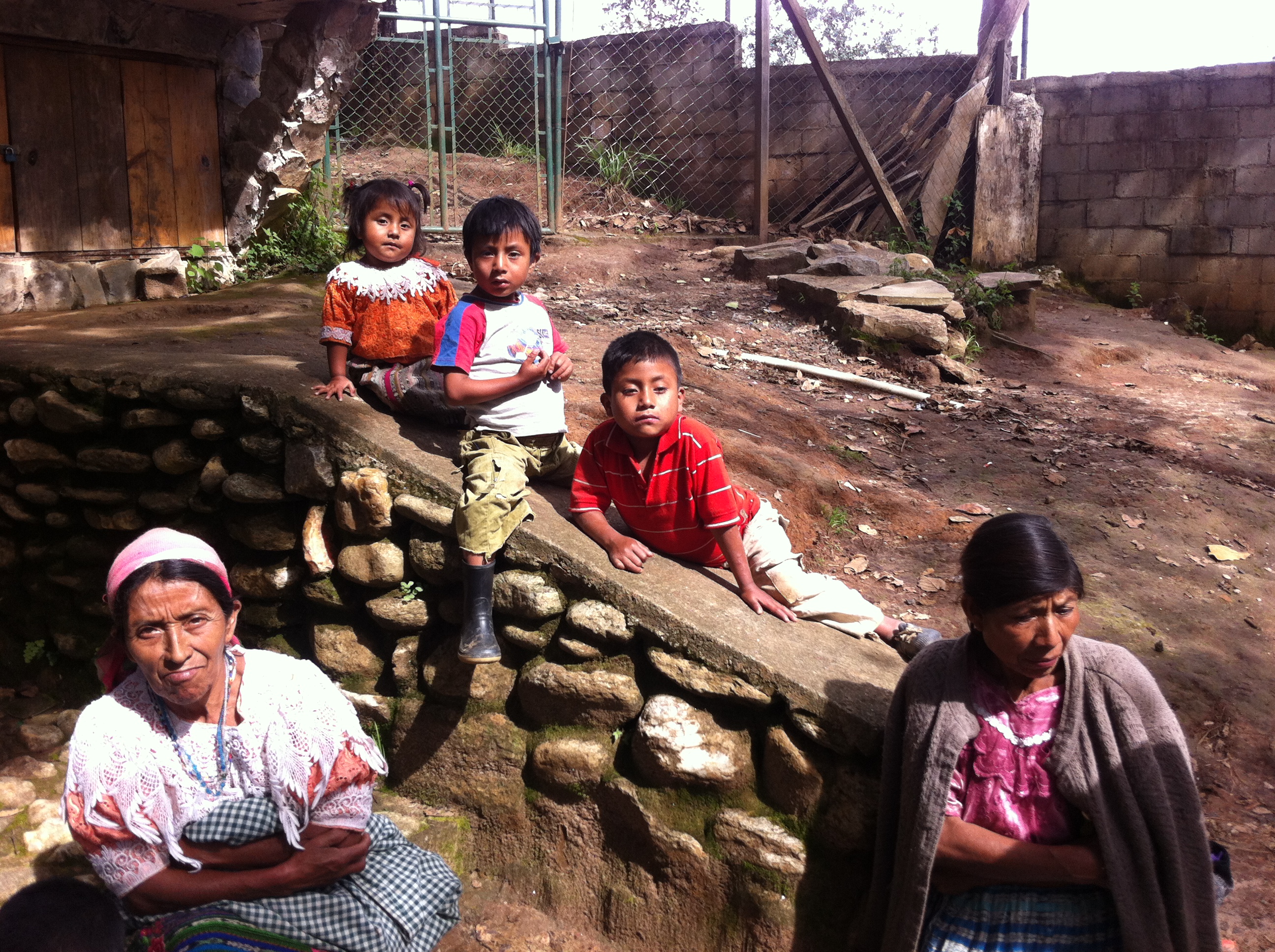
Our last day here we were able to visit a village high in the mountains to collect baskets and share a message with the widows in that area. This was a sweet ending to our time here as we were able to see the homes and area of the people from this area. This project has been ongoing with a focus on helping the widow’s provide for their families. They make baskets from the pine needles around their homes and the sale of these supports their daily needs. They are able to make as many baskets as they can make in a month and then they bring them to the clinic once a month. During that time, there is an encouraging word that is given, we ask about their lives and we collect their baskets. This month we also brought a few things for the kids and played with them a little bit. Jaxs with Jim was a big hit! Lisa shared about her own struggles and related to the women, and then we headed home. Here are a few pictures from our day!


IMG_2342

Counting baskets

IMG_0513

Miguel proud of his jax skills

IMG_0521

Flor talking to a widow

IMG_0465

Learning how to make a new item (coming in July)

IMG_2325

Lisa sharing with the group of women

IMG_0474

Playing with the kids

IMG_0456

Walking to the clinic

DSCF0664

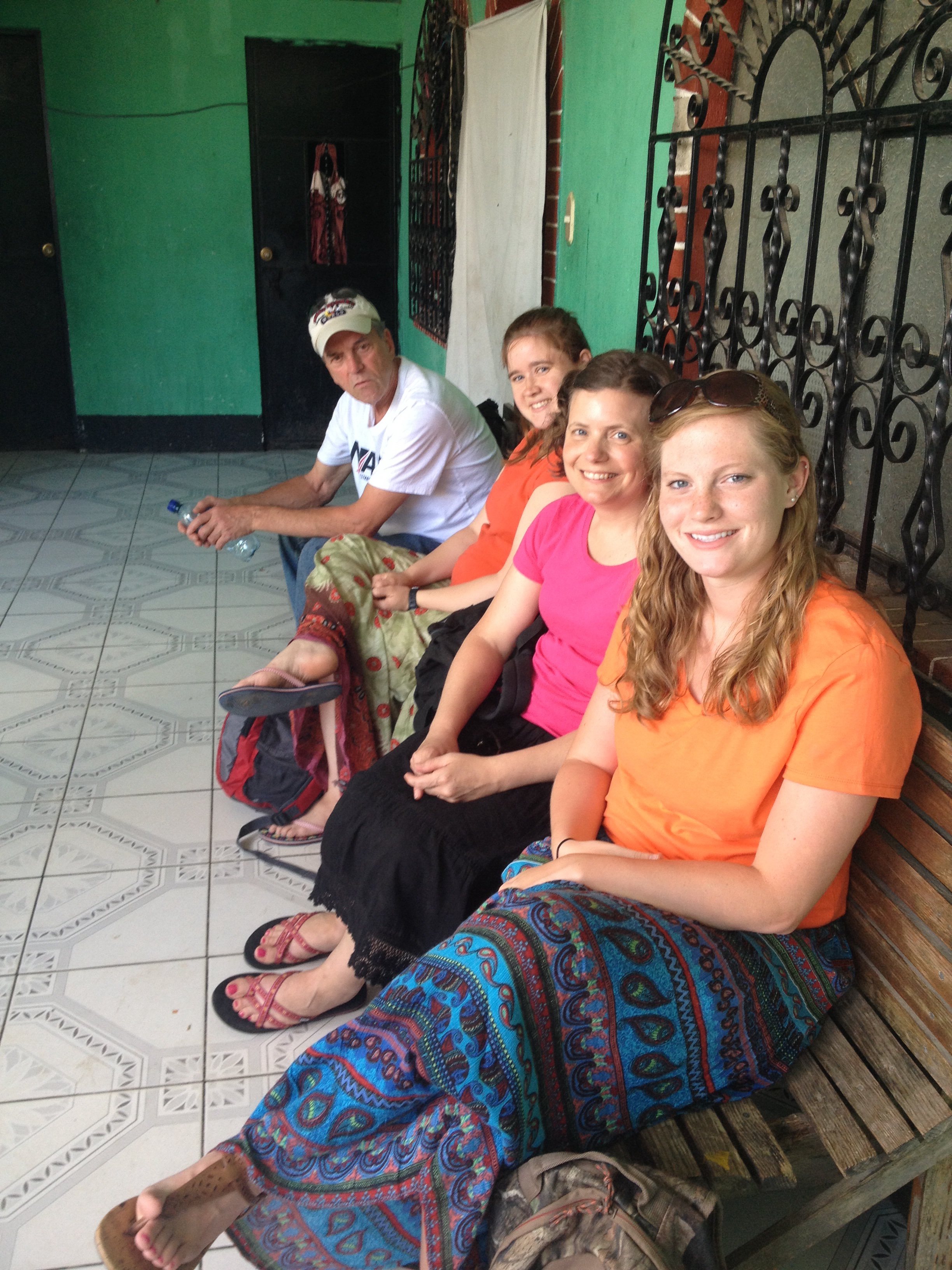
How we roll

IMG_2351

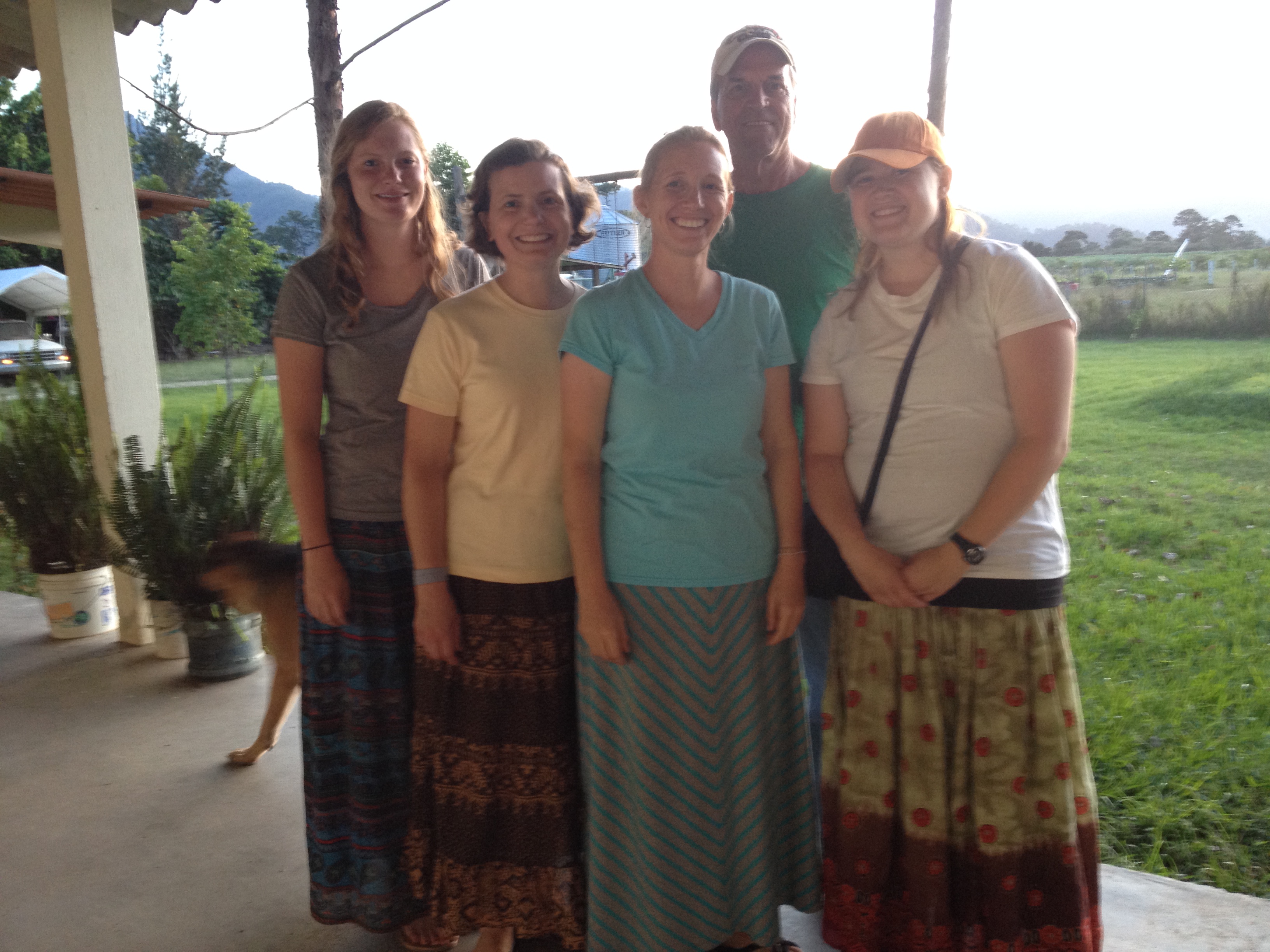
A group shot

A Day in San Andres

image

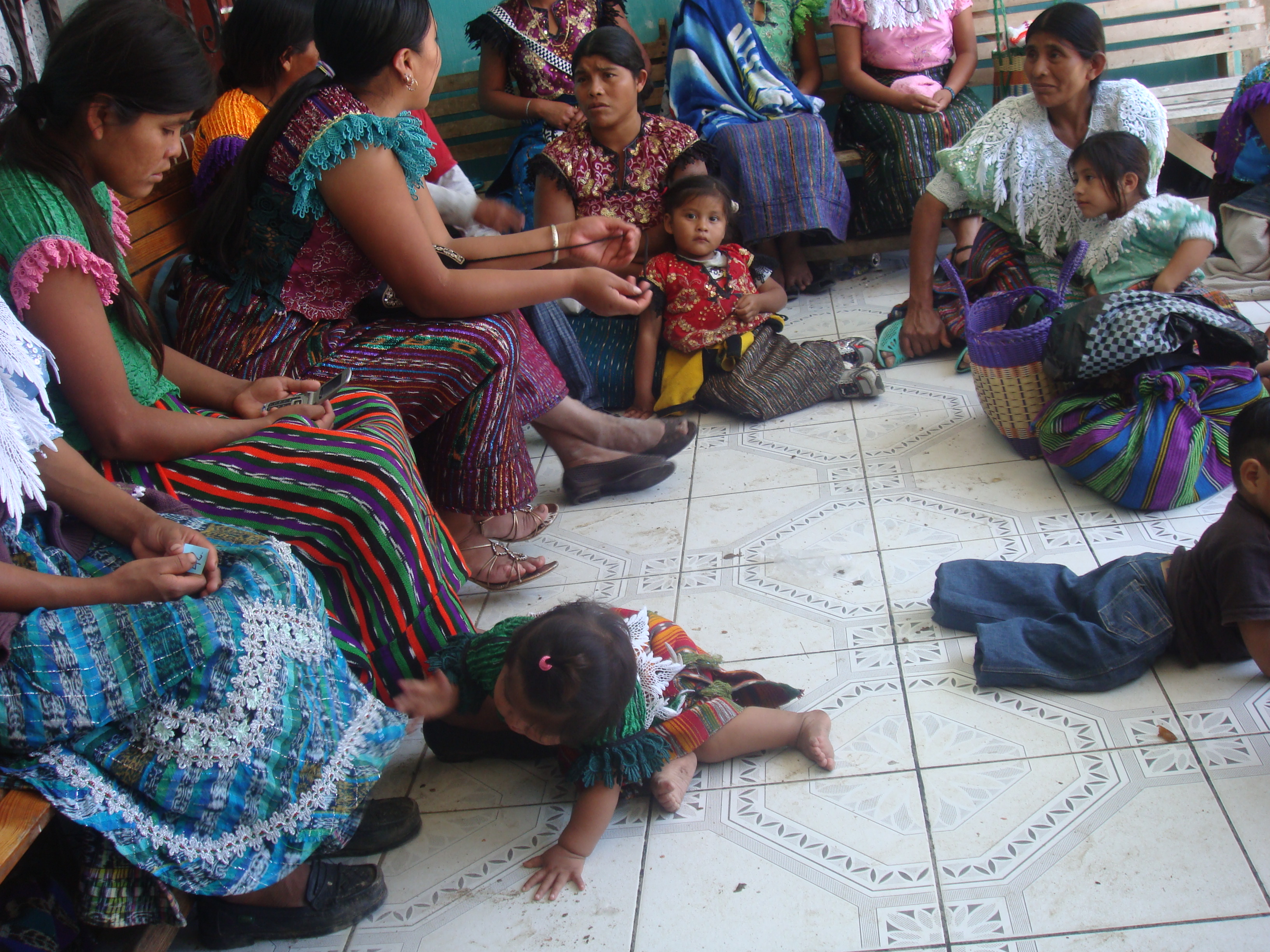
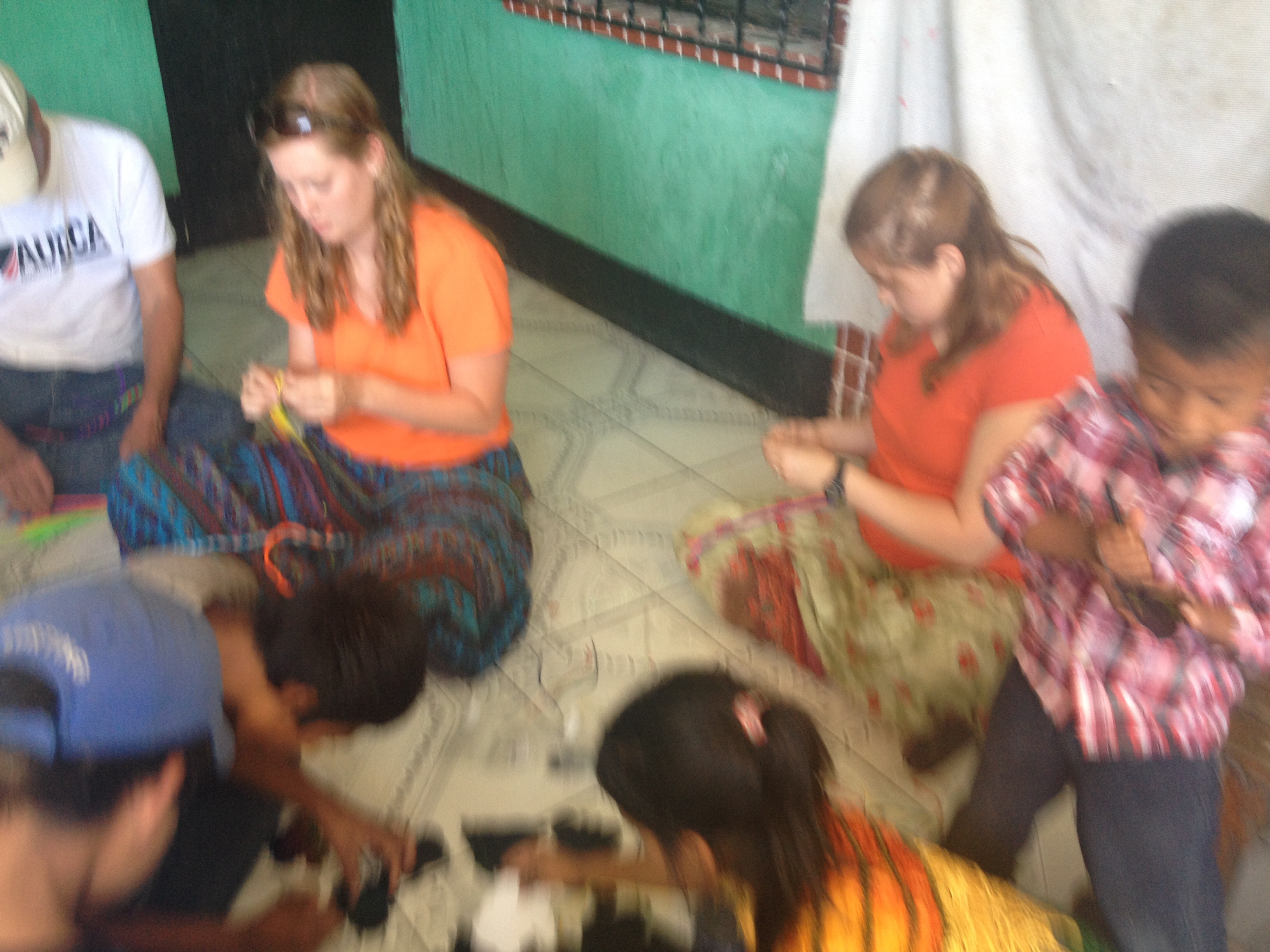
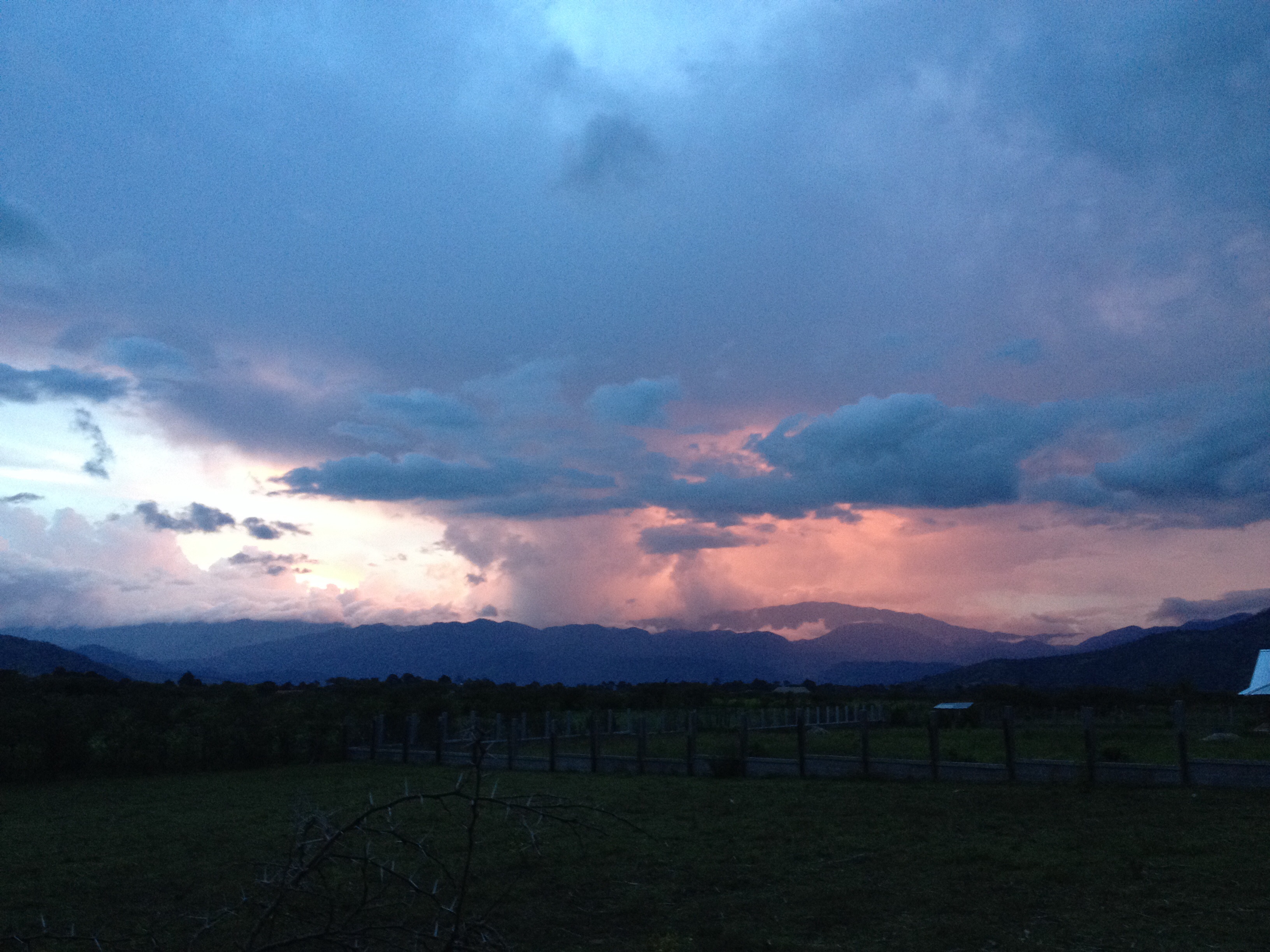
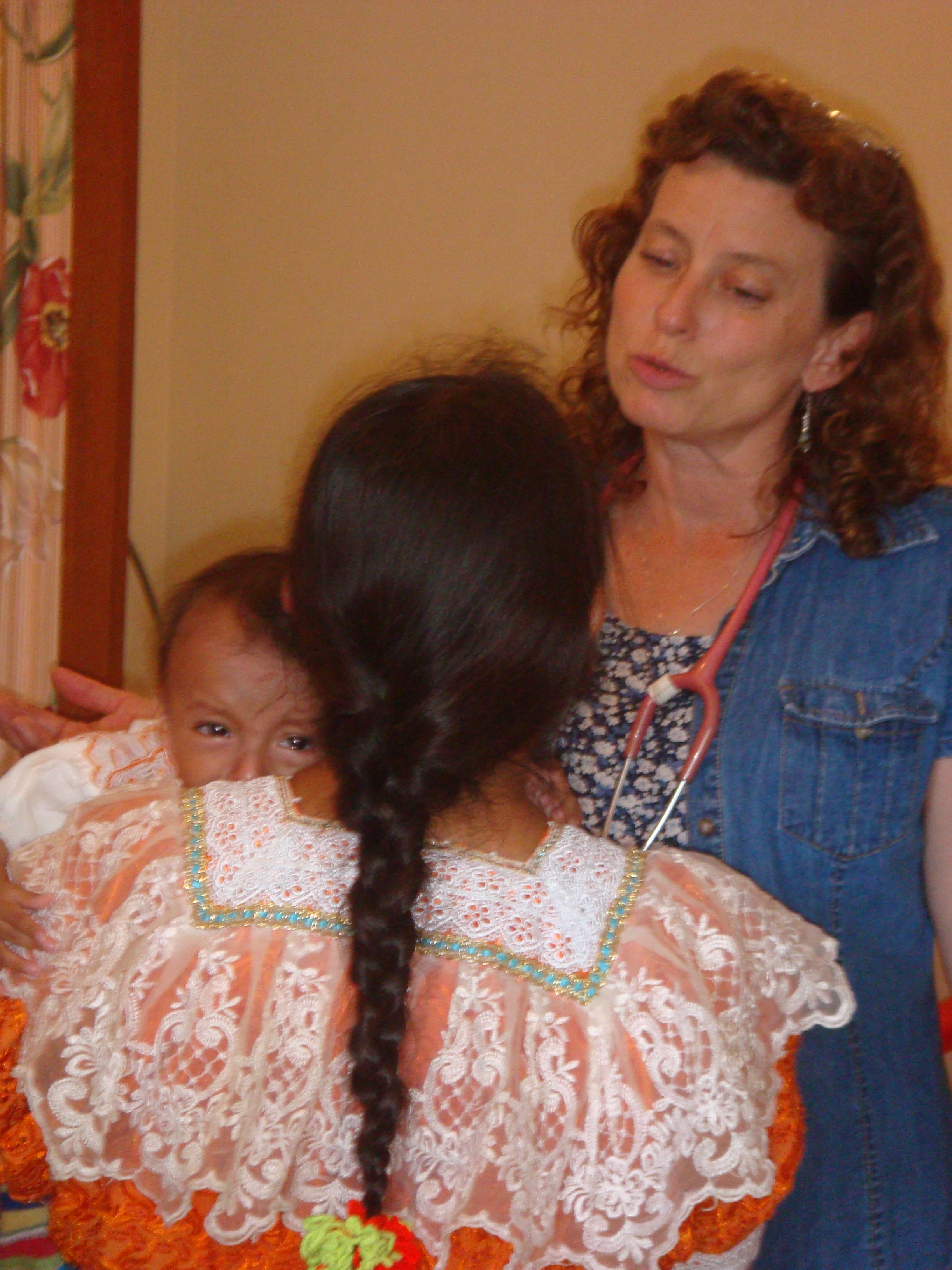
Today, we went to San Andres to help with the clinic. The people who need to be seen line up really early in the morning and get a ticket with a number on it. We got there a little before 9 and started seeing people. One room was seeing all of the pregnant women and checking on how their pregnancy is doing. The other room was seeing chronic patients, including the people who have diabetes, high blood pressure and other conditions. We also helped with the nutrition program, weighing kids and recording their information. We helped out in the rooms for a bit, but none of us have medical training, so there wasn’t much we could do in the clinic part. There was a courtyard where the people waited for their number to be called. We brought some things to do with the kids who were waiting with their parents. Jim made bracelets and necklaces out of pipe cleaners, while Lisa, Allison, and I helped kids do those things where you scrape off the black layer on top and there’s colors underneath. It took a while for them to join in, but once they did, they really liked it. At around 11, Jim, Allison, Lisa, and I went down the road to the market to look for souvenirs to take home. Adrienne stayed at the clinic to help Leslie, so we were on our own! It was a bit difficult to communicate, but we were able to figure out how much they were charging for what we wanted. Adrienne met us and we got some snacks to take back to the girls helping with the clinic while they finished seeing the last people. We rode back to the mission in the truck on a very bumpy, windy dirt road. Allison and I were in the back of the pickup which is something I don’t know if I could ever get used to. We ate lunch and then organized some of the books and school supplies that we had brought. Jim helped Duane work on some electrical stuff while us girls headed up to what they call “Bunker Hill” to watch the sunset. We walked down to the cemetery and enjoyed the end of the day. We grabbed some snacks and debriefed for the night. Tomorrow we will be heading back to the school. ~ Megan


DSC01051 - Copy

The people waiting to be seen

image

Playing with the kids

image

The sunset


DSC01026

A girl in clinic

DSC01443

Leslie talking to a mother

DSC06363

Armando sharing a message with the people waiting

image

Allison making an animal for a boy

Nutrition Kids

I am always drawn to kids – in school, at McDonalds (not that we have one here), at church, on the street… it doesn’t matter where.  Through the years so many kids have filtered through our nutrition program.  Some come in because they aren’t receiving enough nutrition from their mothers, some were born with birth defects, some families struggle to provide food for their children, some have constant illness because of their living conditions.  In Guatemala, it is customary not to name your baby until you know that they are going to live.  The death rate for children under that age of two is very high.  When asking for birth history, we always ask for number of pregnancies, and then number of living children.  Although the economy has gotten better since the end of the war and we aren’t seeing as much starvation, there is always present a sense of panic when it comes to food.

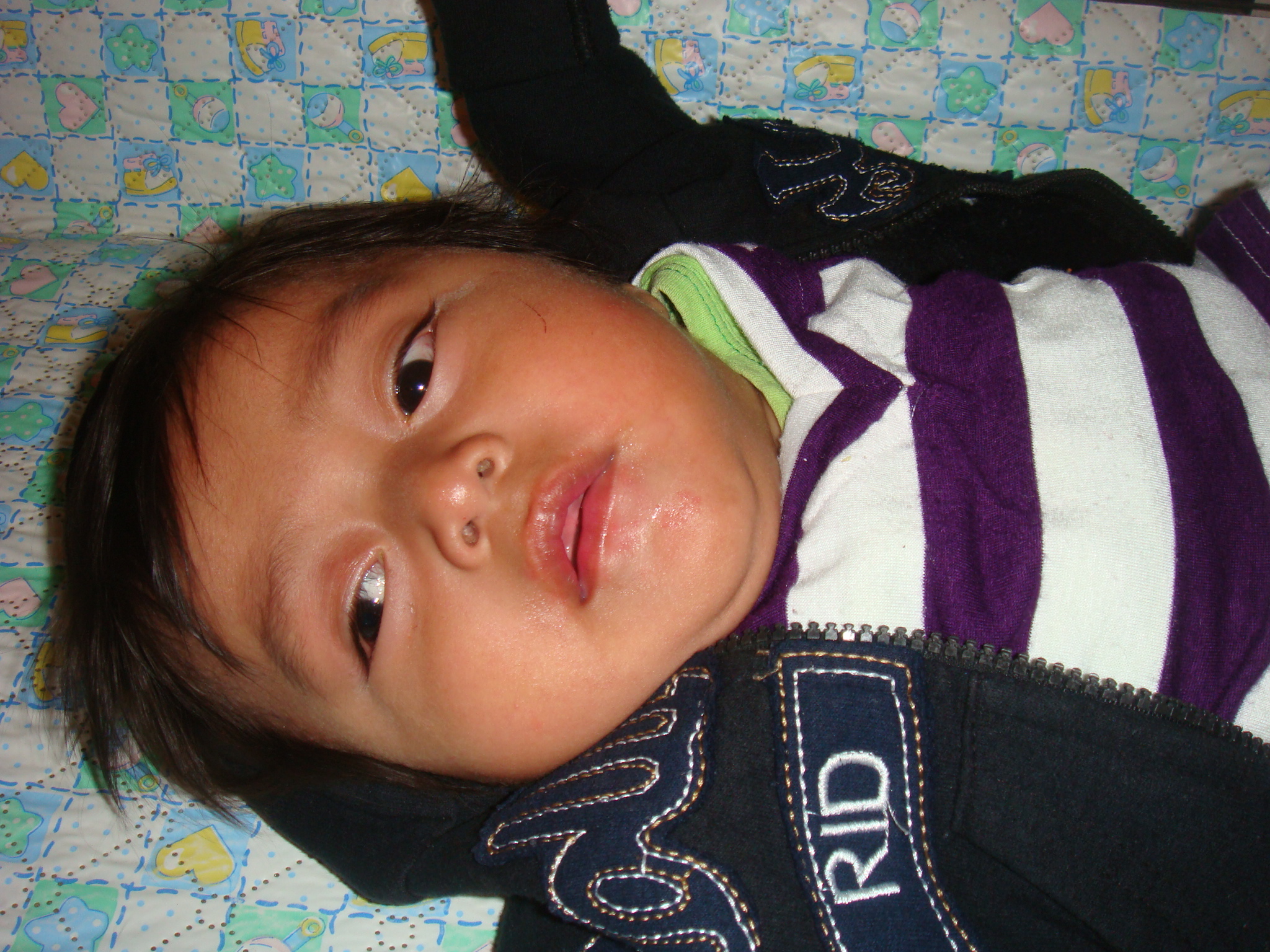
Today we had a young couple bring their baby in because he was under five pounds and two months old.  He had been born with a cleft lip and palate, more common in this culture than in others.  This was their first and although they knew he was different, they were unsure of what to do.  The mother had come to us for her ultrasound and so they returned with their son to find out what they could do for him.  I will give them credit.  They knew he needed to eat and could not nurse and so they cut a hole in the bottle and had been buying formula for him.  Because he couldn’t suck, he was receiving 3 ounces of milk for the whole day.  This explained why he was struggling.  It is these kids that I hope to be able to help the most.  These kids that I see that have little hope without a small amount of intervention.  Here is Domingo.  The goal is to get him growing enough to be able to do his surgery the next time a cleft lip and palate team comes to Guatemala.

DSC02072 IMG_1933[1]

And here is Ana.  At 6 years old, she only weighs 24 pounds.  She can hold her head up and swallow soft foods.  She is progressing slowly, but may never grow.


DSC02064

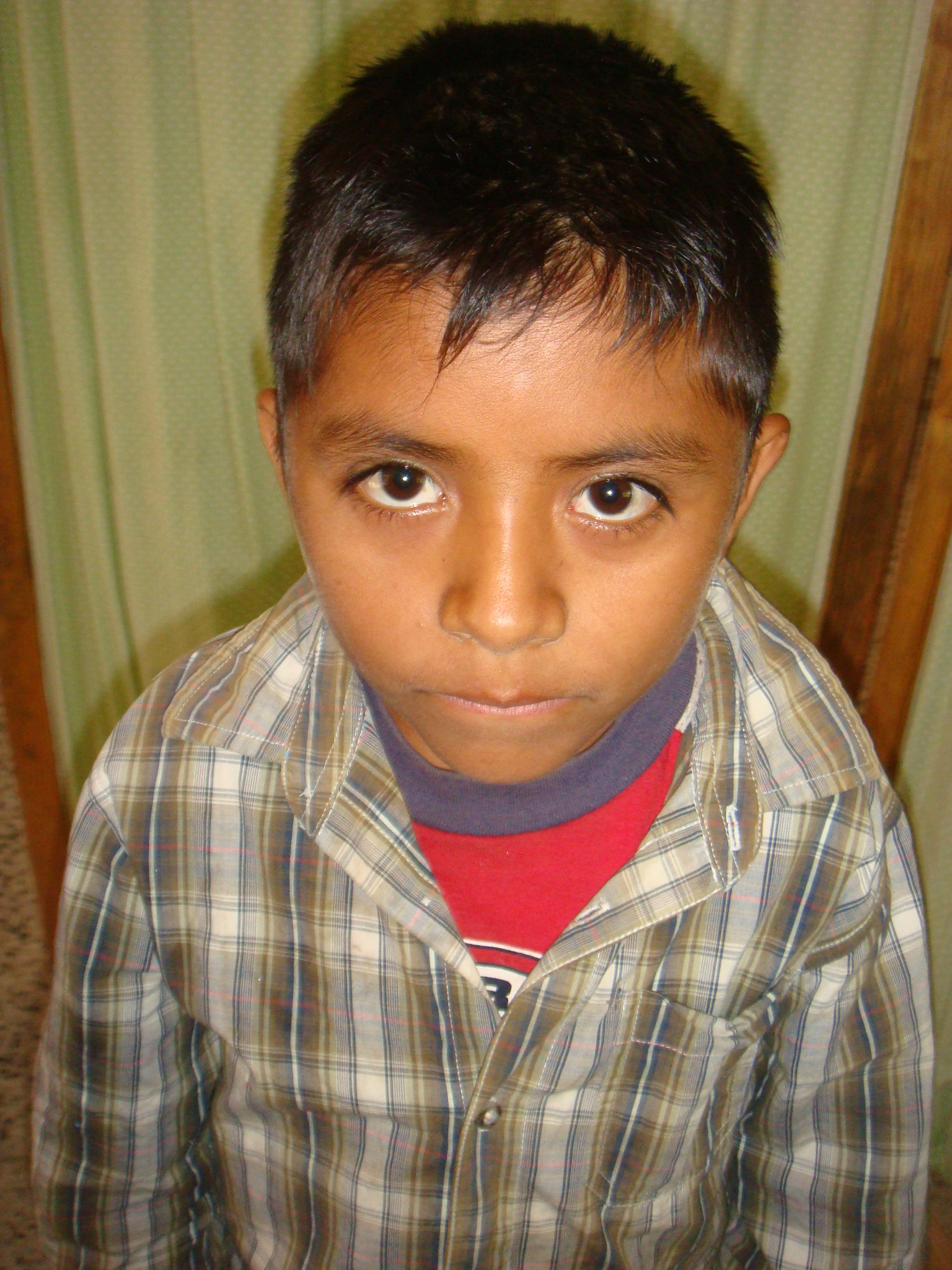
Juan is in second grade and very shy.  For months he would not even talk to me.  Now he will answer my questions and almost smile.  He is a child that has struggled to grow.


DSC02059

Maria is a sweetie!  She has been coming to clinic for almost three years because she was born with a cleft lip and palate as well.  The lip has been fixed and she is awaiting surgery for her palate still.  She walks in with her arms up smiling because she is so familiar with the routine – making me smile each time!


DSC02049

Alino is another interesting case for me.  He is a twin, with a sister who has brown hair and brown eyes.  We call him my son because of this light hair, eyes and complexion.  Twins in this culture often receive help because the mom can’t provide enough milk to keep up with the growth of her kids.


DSC02045

Edy’s mom brought him in knowing that something was wrong with his development.  He is blind and has poor muscle control.  We will help her care for him and hope to be able to provide a basic physical therapy program to help him progress as he grows.

DSC02020

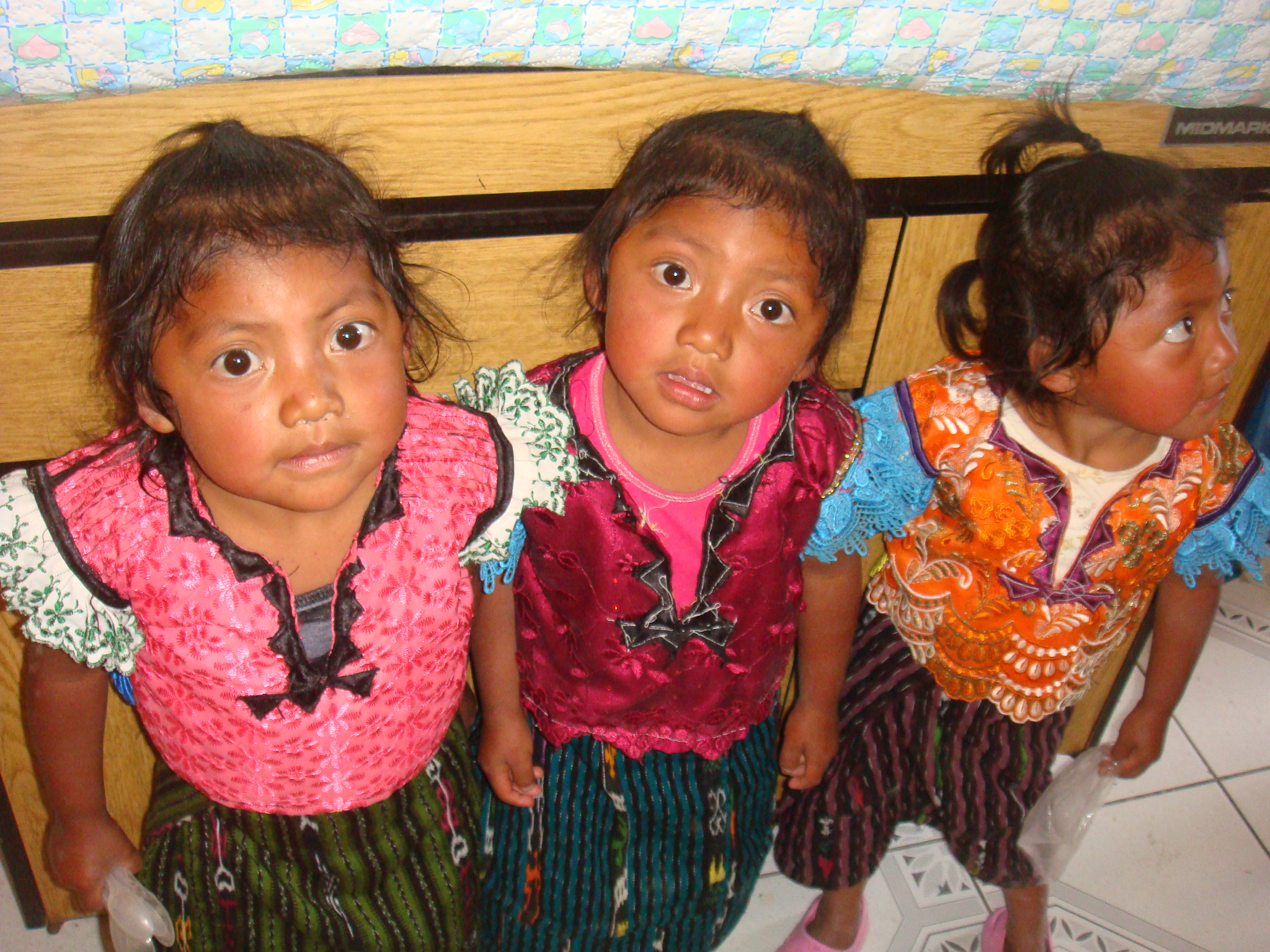
These triplets were born to a poor family in one of the villages.  Manuela, Maria and Andrea have been with us since before they were born and have thrived as we have helped the family care for them.  It took them two years, but they no longer scream when they enter the clinic.  What a joy to see them doing well!

DSC01992

Oliver is a Down’s Syndrome baby that was recently born in San Andres.  He has failed to put on weight and so we are monitoring his growth and helping his mother care for him as his development is slightly delayed.


Those are just a few of the kids that I weighed today as we served those people in San Andres.

A Return to Chumisa

I haven’t been to one of our remote clinics for awhile because I have class on those days generally. And so as I sat through the Chumisa clinic this week, it was as if I was returning after a year of being away.

DSC01641

DSC01670

IMG_1184

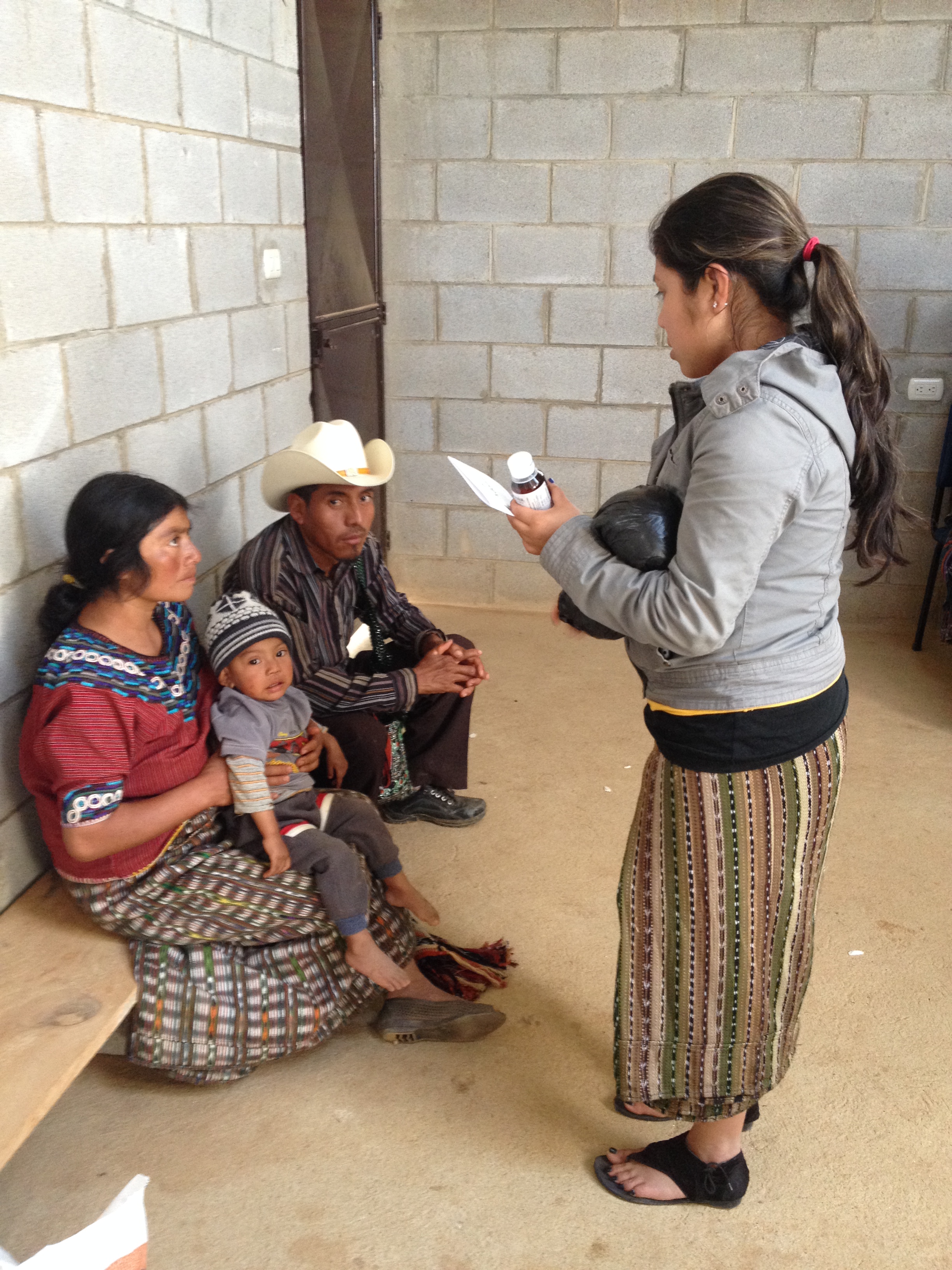
The thing that hit me the hardest were the young people that came in with real need. All 19 years old. All needing a miracle. We had two girls who had both been married for 4 years (normal life here) who have been unable to become pregnant. In this culture, this is a very sad reality. Since children are your retirement, to provide and care for you as you age, it is a very difficult thing to not have children. Many times the woman is blamed and shunned because it is assumed that it is her problem. And so they come with the hope that we can do something to reverse the situation. We can make sure that they have what they need…. and we can pray. But there is little that we can offer them. Often the women in this situation are desperate. Their husbands threaten to leave them (and very rarely will they find another man). They are often abused and mistreated because of this. Infertility is always a very sad situation, but I find it heartbreaking in this culture because I see how much of their lives rest on the shoulders of their offspring.

The young boy came in because he had felt large, hard masses in this abdominal region. They were growing rapidly and he was scared. His story unfolded that he was in the church when he was younger, but had not been back since he left to work at the coast. His fear was evident as care for him is not very prevelant in this contry. The normal protocol is to start at the government hospital and the people are then often sent to this place and that place for testing – which is very expensive and time consuming. And so we explained the process to him as he began his journey to find healing. But Leslie took the opportunity to explain to him the story of the prodigal son – which was much like his story. And when she started to talk, tears streamed down his face. We know that so many are led to us who are seeking answers, seeking something beyond the medicine that we could give. All three of these “children” were just that. Although all three have spouses and all three have their immediate physical needs met, there is something greater that they are seeking. Being in Chumisa was a good reminder to me of the searching and seeking going on around me. We hope for answers in all three of them, yet know and very much undersand that there is nothing that we can do for them – and leave it in the hands of the One who can.

A Broken Thing

We have wondered for awhile what sex trafficking looks like in this country, and even more, what it would look like in our area.  We don’t see many signs of it. We don’t have random men coming into our town. We are so rural would our area even attract this kind of thing.  Just getting here is so difficult.  Prostitution is legal in the country of Guatemala and so the line between prostitution and sex trafficking becomes a thin line to skate.

Today though I think our fear for this area was confirmed.  We know there are houses of prostitution in town.  There are bars and places for girls to “work”. Not what you would see in movies, but none the less, an enslavement.  We rarely see girls that we suspect, and even less in our clinic.  But as I lined up women today for ultra sounds, one young girl stood out – in part how she dressed, in part how she walked.  She hobbled in as if she had been injured.  Her eyes were dark with circles.  She sat down as if this was the last place that she wanted to be.  Temperatures here have dropped into the forties.  I could see my breath it was so cold.  And yet this girl who had legs as spindly as heron was dressed in a short, short black miniskirt and blouse.  Just looking at her made me cold, and it was obvious that something was wrong.  

As she waited she stared out of glassy eyes and shivered.  Her attempt to keep warm was to take the 18 inch long piece of fabric she had around her shoulders and cover her legs.  Her story aligned itself with our fears, she is from the city and working here for a year.  Her ten month old baby is in the city with her mom, and yes she was pregnant.  Three months pregnant.  She works in town at the cantina, the place we believe to use these prostitutes.  She infact had been beaten by men this week which would explain her limp.  She had come because she had been told she needed an ultrasound by the government clinic.  No emotion came out of her as we confirmed her pregnancy, only to say she thought she had more than three months. 


When asked if she would come back, she only said that she was told to come here for the ultrasound.  We cannot force her to do anything.  We are only foreigners.  What hope is there for her?  How can we reach her? How can we help her?  We know our responsibility is to do what we can with what we have.  Yet what she is doing is not illegal.  Our hope is that she does return.  Our hope is that we can help her.  Our hope is that she doesn’t remain the broken skeleton that came to our doorstep this morning.  My heart’s cry is to be able to help girls like her see that it can be different.  Will you stand with us in hope that she will return?


A Very Merry Christmas

IMG_0871[1]

At our December widow reunion (which is what they call it in Spanish), we celebrated Christmas.  It is an American tradition to give gifts and not something that happens in Guatemala, due to the fact that no one has extra money.  We try to bless each family with something practical.  This year we bought blankets and buckets for each family.  More than likely, the entire family sleeps in one bed together.  It is probably made from wood slats covered in a reed mat or even just a reed mat on the floor.  This December has been unusual as we have had rain and cool nights.  When we were up there last week, I couldn’t help but think of how miserable the weather was.  It is the constant dampness that makes everything colder than it really is that promises for a gloomy day.  On the day that we met, we had to walk down to the clinic because the road was impassable.  This is supposed to be the dry season, but we have had rain for four days straight, during the cool part of the year.  In their buckets were daily items that are uncommon for them – soap, toothbrushes and paste, lotion – all items we often take for granted.  We shared part of the Christmas story and talked about Jesus’s provision for our lives.  This past year, the widows have become more creative in their basket making and have developed some pronounced skills.

IMG_0872[1] IMG_0875[1]

IMG_0873[1]

Global Missions Health Conference

This week I am at the Global Missions Health Conference and connecting back with the roots of missions.  It is an opportunity for us to connect with others that are doing just what we are doing as well as explore other partnerships out there.  My time in the states has been fruitful and I have been blessed.  It truly is living on this bridge in between two worlds.  This week I am surrounded by thousands of others that share in that experience as well.  It is always good to see how others have done something before embarking on the journey ourselves.  Keep me in prayer this week as I seek out partnerships around the globe.  Sometimes at events like this it can be overwhelming getting direction.

I head back to Guatemala on November 11th and will reconnect with posts then on the updates of the hospital and nursing school.  Encouraging news is that we have begun the remodeling of the nursing school and restoring the building.  I am very excited for this project as it taking something that has been destroyed and making is new! 

World Wide Lab

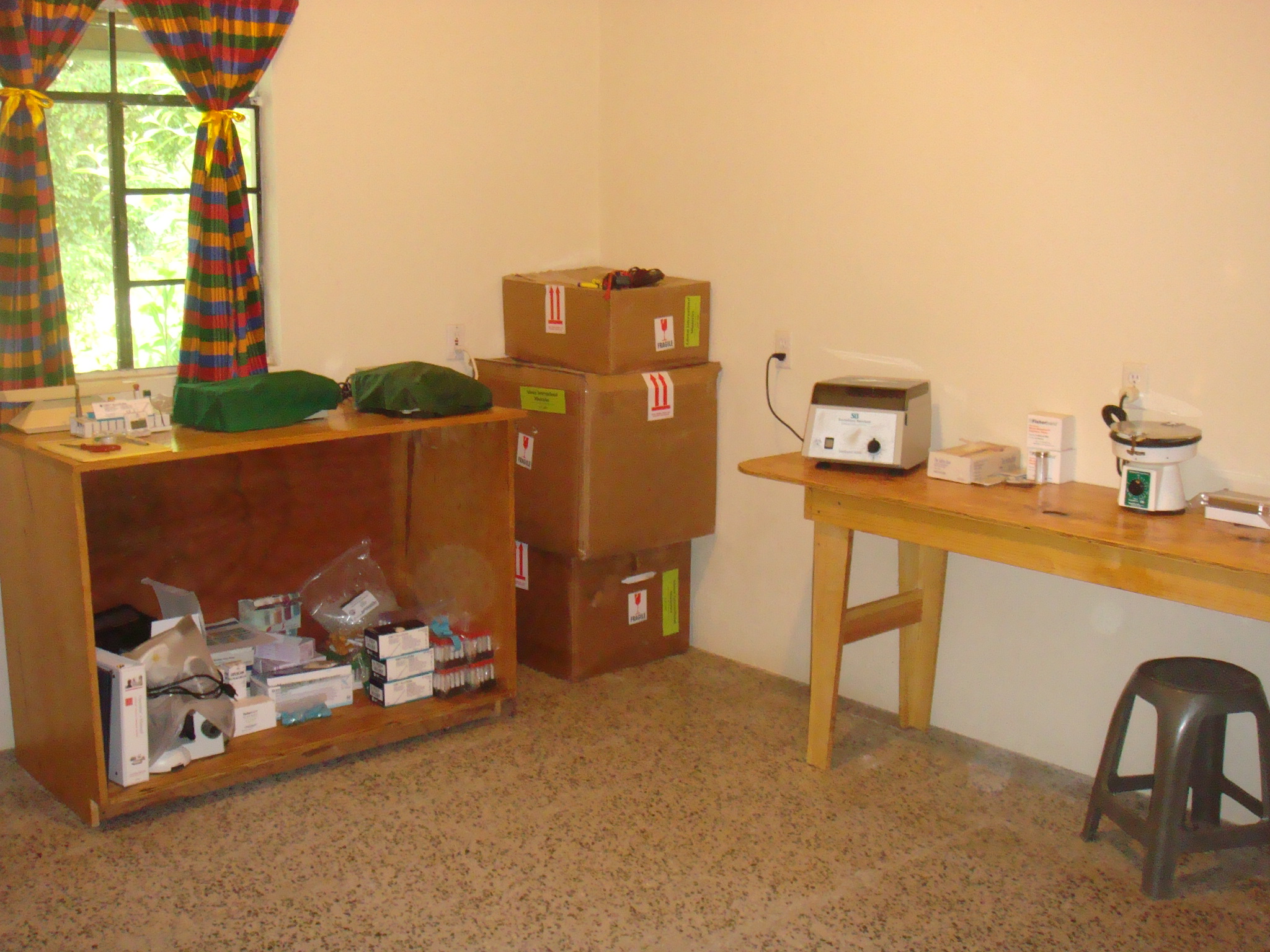
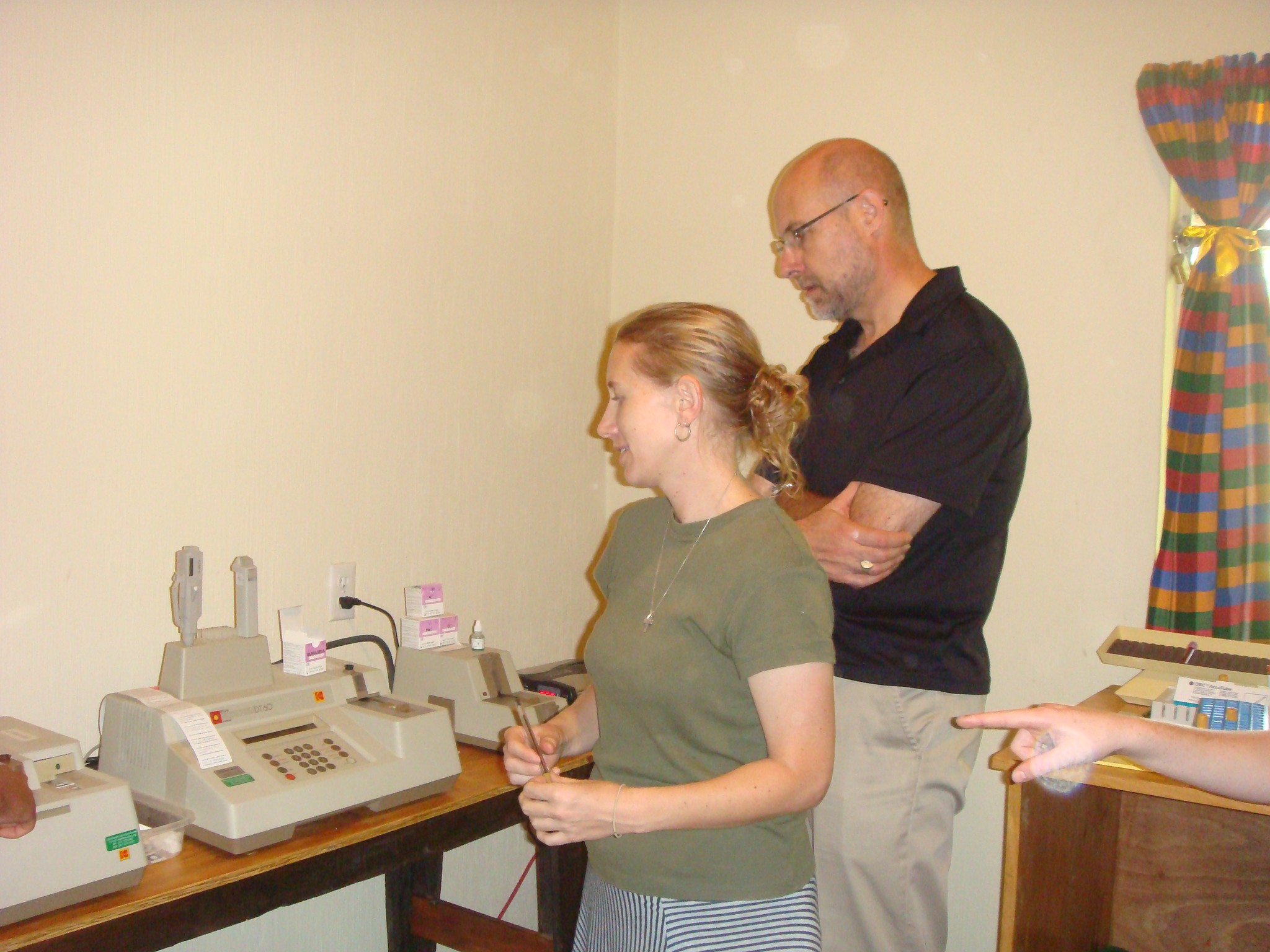
In the past I haven’t particularly enjoyed working in a lab.  In retrospect I think it’s because I always felt rushed to get out of lab early for practice so I needed to do everything as fast as possible.  James from World Wide Laboratories spent the week with us to train us on the lab equipment that has been put in place as a stepping stone to the hospital.  This group travels the world setting up labs for the advancement of medicine.  Not only was James extremely patient and an excellent teacher, but he had multiple stories of his travels that kept us entertained.  We are grateful for this opportunity and know that having a lab will definitely be a benefit for our patients.

The first day my brain was on overload as I tried to soak in everything that he had to say.  The most intimidating part to me is the fact that if a machine breaks, we don’t have an IT person who can fix it easily.  Many of the machines are outdated in some of the labs in the states, but are built to last through the wear and tear of third world countries.  I was surprised at how they have managed to make the system as foolproof as possible and eliminate as much user error as possible.

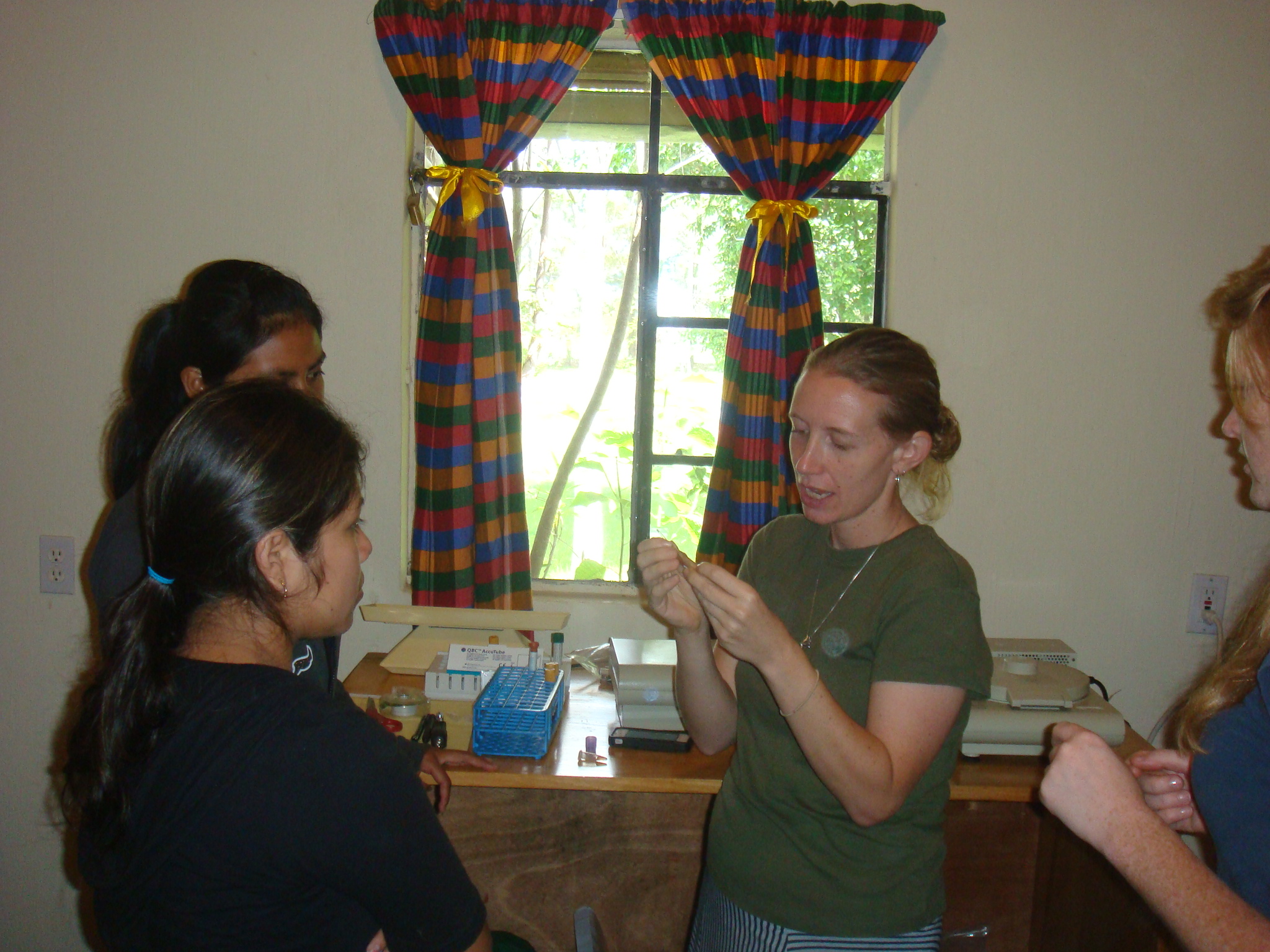
After a day of training, I needed to pass on the things I learned to Flor, Manuela and Katie that will also be working in the lab.  Truthfully I was quite nervous because I was afraid that I would forget something important and we would be doing tests wrong for years, but James was a true professional and great teacher.  It was obvious from the get go that this was not his first time doing this!  He listened to everything I taught and then asked if I missed anything.  It’s always best to have to figure out the mistakes that you make.  I was stressed as I had to figure out the errors made in each test, but in the end, I’m hoping that it cemented the procedures into my mind!  No better way to learn than to teach others – and teaching is something that I enjoy the most!!!  We can only hope.  Take a look at how things went!

The lab in boxes..

IMG_0601

The lab in it’s pristine state!

DSC01868

James teaching me


DSC01871

Passing on the torch, teaching Flor and Manuela

DSC01873

An afternoon with the widows

IMG_0223

Time with the widows may be one of the times where I feel most content here.  I think in part it’s because the kids that come with their moms are less afraid and respond to you more than most of the kids here and I feel like I can talk to them and play with them a little.  I also get to watch how the widows respond and see their faces and hear what’s on their hearts.  Since knowing their hearts and understanding the culture is something that resonates with me, it is something that I enjoy here.

Teaching is something that flows in my blood and I have learned is something like a drug.  Drugs elevate the good chemicals within your body and it is often noted that one gets “high” on drugs.  Well I really enjoy teaching and find that when I have the opportunity to see someone else learn a new skill or discover something new, it is something that can give me a “high” as well.  Although sharing a devotional with them is a little different and done quiet different that I would in the states, it still has an element of teaching that enables me to feel as if I am doing what I was born to do.

IMG_0217

The classroom is the open air and the pupils crouch low on boards that are held off the ground by cement blocks.  The air is cool because of the altitude and the impeding rain and the sun that peeks through the clouds casts rays of light on the moss covered rocks on the ground in front of me.  Dogs sleep around us, children lay on their mothers laps and two year old Silveria wanders around the people exploring as a normal child would.  Today she is dressed in a white sweater (well it was white before the dirt got the best of it) and a bright pink hat woven hat that looks just like one I wore on Easter Sunday when I was about five.  On clinic days she often screams when I lift her to weigh her, but today she actually lets me touch her and smiles.

I find myself conforming to their culture as much as I can.  I crouch low on a bench to the side of them and not in front and sit and wait as they enter.  At times glace away from them as I am sharing.  I used to wonder if they were listening as their eyes focused beyond me, but I have come to know that they take in every word that is said along with every move.  I have been sharing stories that show the character of Jesus and today I shared of his willingness to heal.  I have been sharing in English, then it’s translated to Spanish by Leslie and then again to Ki’che by Flor.  Today was the first time I shared in Spanish – with my cheat sheet that Flor helped me with so I didn’t stumble too much through my words.  She does a good job explaining to them in their language what I can barely express.  She expounds and gives detail that I would struggle to even comprehend.  I am grateful for her help.

IMG_0197

Here is the short version of what I shared  – In English and then Spanish so that you can be right there with the widows!


The Bible is a book that was written by many different people.  When Jesus was alive he lived on Earth with all of the people and traveled from place to place teaching.  Some of the stories in the Bible were recorded by more than one person.  This story is in the Bible three times and is significant.

Read  Mark 5:25-34

To me this story is important because the woman did not have to do anything to be healed.  She didn’t even have to ask Jesus.  It was just her willingness that healed her.

For 12 years she was desperate for change.  When she heard that Jesus has traveled to her town, she had faith that he could heal her.  She only had to touch him for her life to be changed.

Many times in our lives we really want change.  Jesus showed us that no one is too insignificant.  He cared enough about the women to heal her after so many years. He cares about you just as much.

It has been 2000 years since he has lived on earth, but he loves us as much as he loved this woman.  Remember that this story is in the Bible three different times.  It is a reminder to us that Jesus cares about us and wants us to reach out to him.


La Biblia es un libro que fue escrito por muchas personas diferentes.

Cuando Jesús estaba vivo vivió de la Tierra con toda la gente y viajó de un lugar a otro dando clases.

Algunas historias en la Biblia fueron registradas por más de una persona. Esta historia está en la Biblia tres veces y es significativa.

Marque el 5:25-34
Para mi esta historia es muy importante porque la mujer no tuvo que hacer nada para sanarse.

No tuvo que pedirle a Jesús que la curara. Tan solo por su fe y misericordia de jesus ella fue sanada.
Durante 12 años necesitaba el cambio. Cuando oyó que Jesús habia viajado a su ciudad, tenía la fe que la pudiera sanar.

Sólo tuvo que tocar el manto de jesus para su sanacion.
Muchas veces en nuestras vidas realmente queremos el cambio.

Jesús nos mostró que nadie es demasiado insignificante. Se preocupó bastante por las mujeres para curarlas después de tantos años.

Se preocupa por ustedes.
Han sido 2000 años desde que jesus vivio en la tierra, pero nos ama tanto como amó a esta mujer.

Recuerde que esta historia está escrita en la Biblia tres veces de diferentes formas. Y es un recordatorio hacia nosotros para que entendamos de que el cuida de cada uno, solo debemos de estirar nuestro brazo hacia el para que el  pueda sanarnos.
 

Nicolasa

In clinic it seems that it’s always the last patients who are the most needy.   As I began to talk to the last family I had today I knew right away from watching the baby that something was wrong.  Nicolasa was really 13 months old yet she looked so frail and lethargic.  At first this is a sign of a high fever or respiratory infection, but neither option was true.  When I realized that the baby was blind, I knew there was more to the story.  The dad told me that they had come all the way from an aldea in Zalcualpa, at least a five hour walk because they had been told that we could provide care for this kind of problem.  Their daughter had had a high fever and they took her to the government clinic closest to their village, there they were told that they needed to take her to the hospital in Quiche.  She spent 50 total days in the hospital, 30 in intensive care.  Yet when asked what her diagnosis was, the father said that there were so many people there and it was so overcrowded, that every time they would ask what was wrong, he never got an answer.  Eventually they released her, but they had few answers and even less idea of what to do for her.  And so they came to us with the hope that we could heal.

She was being fed sugar water from the smallest bottle I had ever seen along with coffee and a little mashed oatmeal as the only nutrients sustaining her life.  As we explained the truth to them, that we trust Jesus to heal and do miracles, and that we could do little for her physically it was an encouragement to hear him say that others in his church were praying for the family as well.  This story is common in our area as high fevers and other infections cause brain damage as well as hearing or vision loss.  As they left they thanked us for the answers that they received and the understanding they had of what has caused the difference in their daughter.  To a father he noticed that his daughter is now unable to nurse from her mother and cries a lot, but to us we understand it is much greater than this.  This child will suffer for the rest of her life if not for a miracle.  And so we continue to trust that we are used as vessels for Jesus to still do miracles, to still heal, and to still provide hope for those who suffer.  We say, “break our heart for what breaks yours”…. and to hold a child clinging for life and struggling with each breath really brings reality closer to home.  Our hearts are broken for the things of this world.