Chichi

IMG_1008[1]

Last week I went to Chichicastenango to check out the hospital there.  It is a hospital that has been built in stages and very respected in this area.  An American doctor has done well with the patients and gained their trust as he serves out of the love of his heart.

For me this was my first time visiting this town – 19 miles away.  In the states the nearest Walmart is 19 miles away. When we got in the plane it made me realize how close and how far away these towns are to one another. I don’t go there daily, but when I think about going there, I know it isn’t a whole day’s journey.  We flew over instead of taking the road trading a 3 ½ hour trip for the 10 minutes in the plane.  How we take for granted travel at times.  If we were to travel by road, we would have to weave up one side of the mountain and down the other a few times.  How close, yet how far away we are from one another!

031 IMG_1131[1]

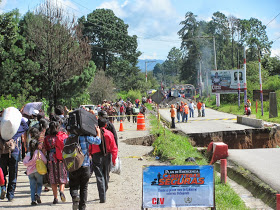
There is a slight problem as well to travel to this hospital.  The road from the airstrip to the hospital was swallowed up by a large sinkhole.  A few weeks ago some men were at that bottom of the valley collecting scrap and pulled out a large refrigerator from the garbage that had been thrown over the cliff.  When they did this, it caused the whole mountainside to collapse on them and bury them.   The good news is that we did not have to walk across a board.  There is a path around the hole, but it did feel like an adventure going around it.  On both ends of the road there were busses lined up, tortilla venders, boys offering to carry your bags, and masses of people – all trying to get from one side of the road to the other.  And so they mode of travel was to get out of your truck on one side, walk across the path and then pick up a truck on the other.  As we did this I noticed men carrying large bags of corn, sand , and chickens, all scurrying across this “great divide”  Check out the scene for yourself.

Our purpose in visiting the hospital was to gain information and a visual into the floor plan as well as see how things were done here.  The man that I traveled with has invested much time and energy into the hospital and gave us first-hand knowledge of how this hospital runs and cares for people.  As we think about what’s to come and what we feel led to build, it’s always a challenge to be able to see how we can do this using what we currently have.  Seeing Chichi only gave me more questions to answer, but it’s always best to have more questions now and less questions later.  Here are a few pictures of what a Guatemalan hospital looks like.  It is much more open allowing for natural light and air.  There are few overnight guests here as well as a reduction in the equipment and options.  Although these things might be lacking, it does not mean that the care is lacking.

IMG_1044[1]

IMG_1123[1] IMG_1109[1]

Nicolasa

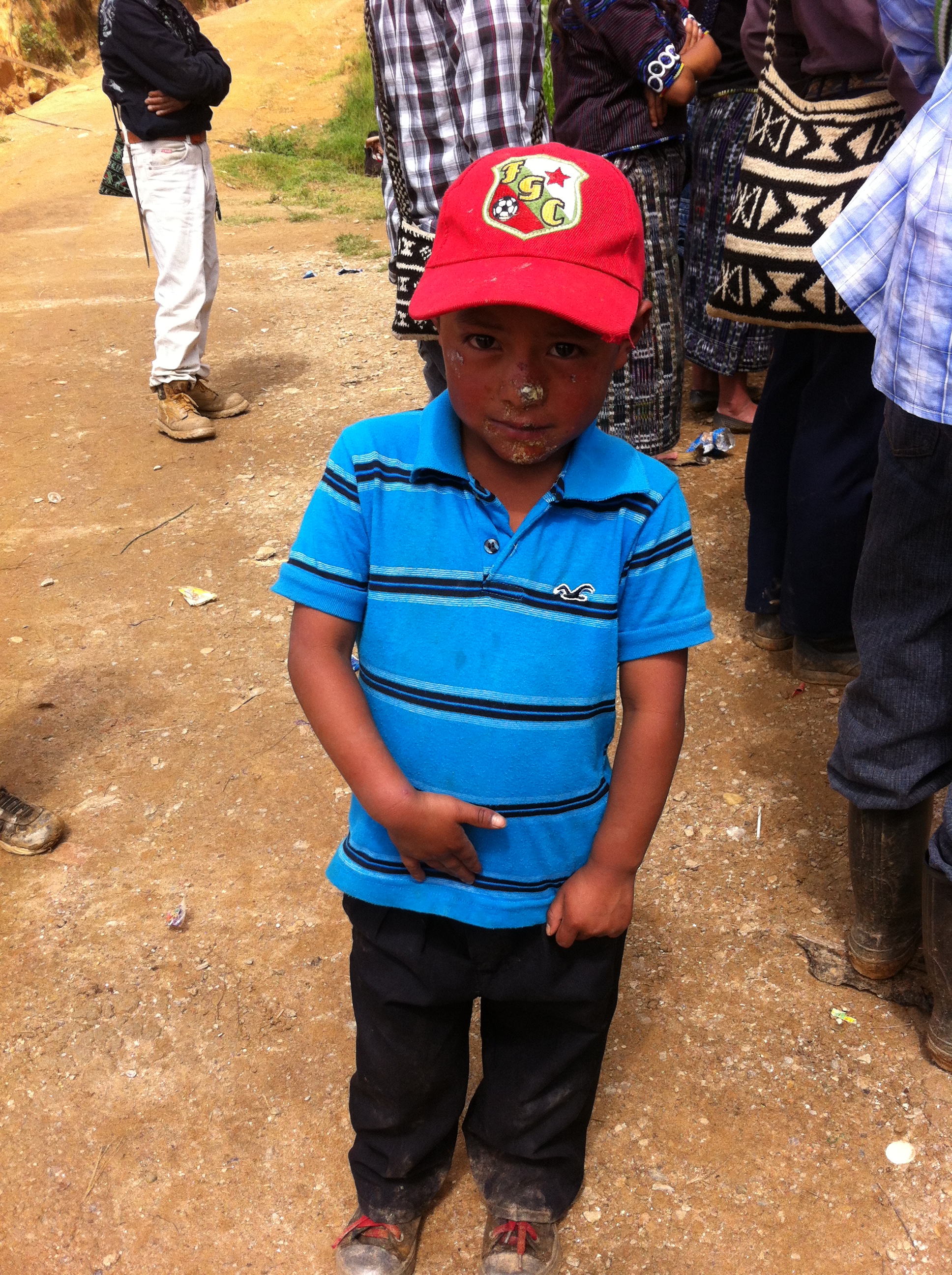
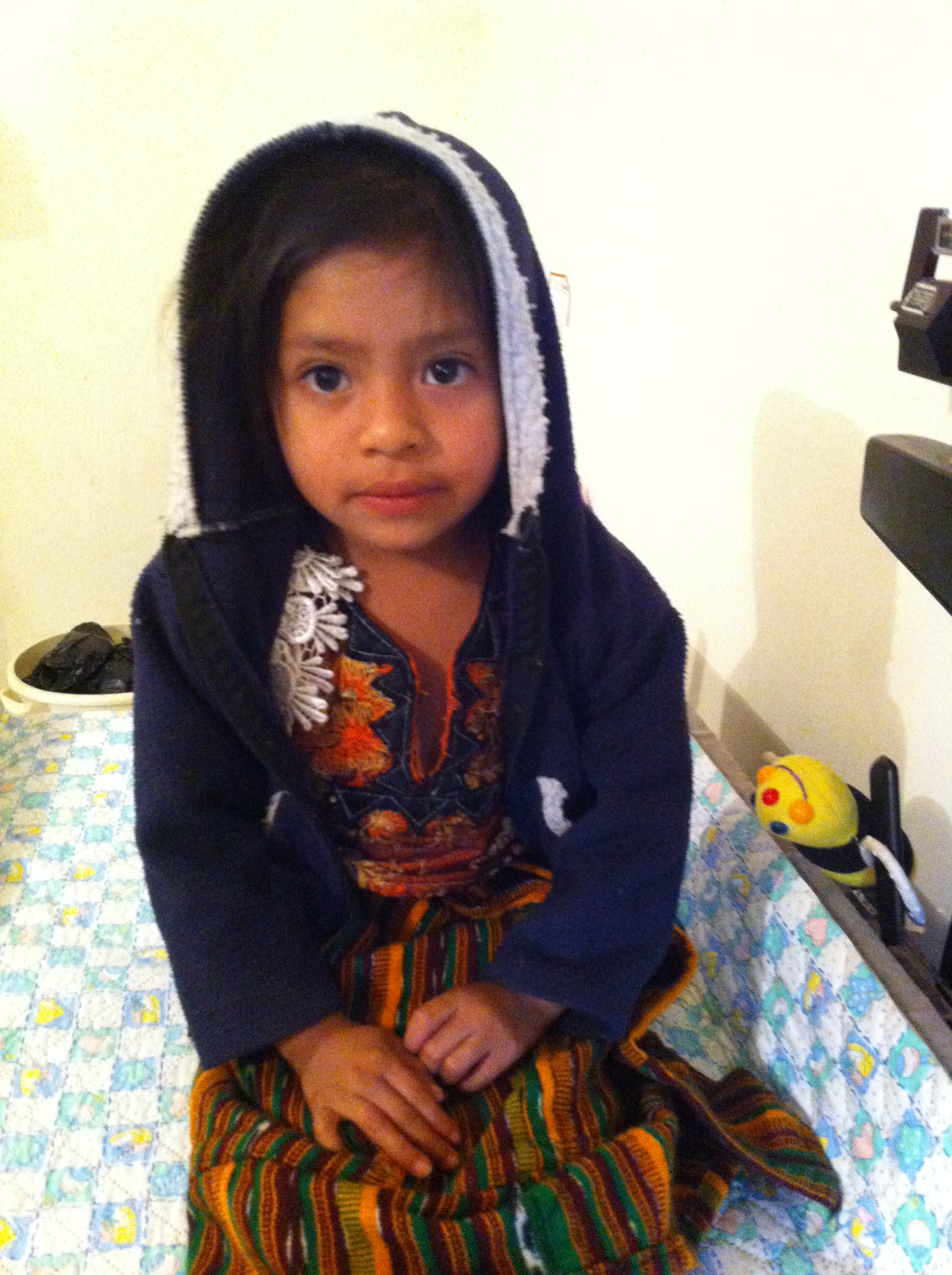
In clinic it seems that it’s always the last patients who are the most needy.   As I began to talk to the last family I had today I knew right away from watching the baby that something was wrong.  Nicolasa was really 13 months old yet she looked so frail and lethargic.  At first this is a sign of a high fever or respiratory infection, but neither option was true.  When I realized that the baby was blind, I knew there was more to the story.  The dad told me that they had come all the way from an aldea in Zalcualpa, at least a five hour walk because they had been told that we could provide care for this kind of problem.  Their daughter had had a high fever and they took her to the government clinic closest to their village, there they were told that they needed to take her to the hospital in Quiche.  She spent 50 total days in the hospital, 30 in intensive care.  Yet when asked what her diagnosis was, the father said that there were so many people there and it was so overcrowded, that every time they would ask what was wrong, he never got an answer.  Eventually they released her, but they had few answers and even less idea of what to do for her.  And so they came to us with the hope that we could heal.

She was being fed sugar water from the smallest bottle I had ever seen along with coffee and a little mashed oatmeal as the only nutrients sustaining her life.  As we explained the truth to them, that we trust Jesus to heal and do miracles, and that we could do little for her physically it was an encouragement to hear him say that others in his church were praying for the family as well.  This story is common in our area as high fevers and other infections cause brain damage as well as hearing or vision loss.  As they left they thanked us for the answers that they received and the understanding they had of what has caused the difference in their daughter.  To a father he noticed that his daughter is now unable to nurse from her mother and cries a lot, but to us we understand it is much greater than this.  This child will suffer for the rest of her life if not for a miracle.  And so we continue to trust that we are used as vessels for Jesus to still do miracles, to still heal, and to still provide hope for those who suffer.  We say, “break our heart for what breaks yours”…. and to hold a child clinging for life and struggling with each breath really brings reality closer to home.  Our hearts are broken for the things of this world.

Chumisa

IMG_0946 IMG_0713

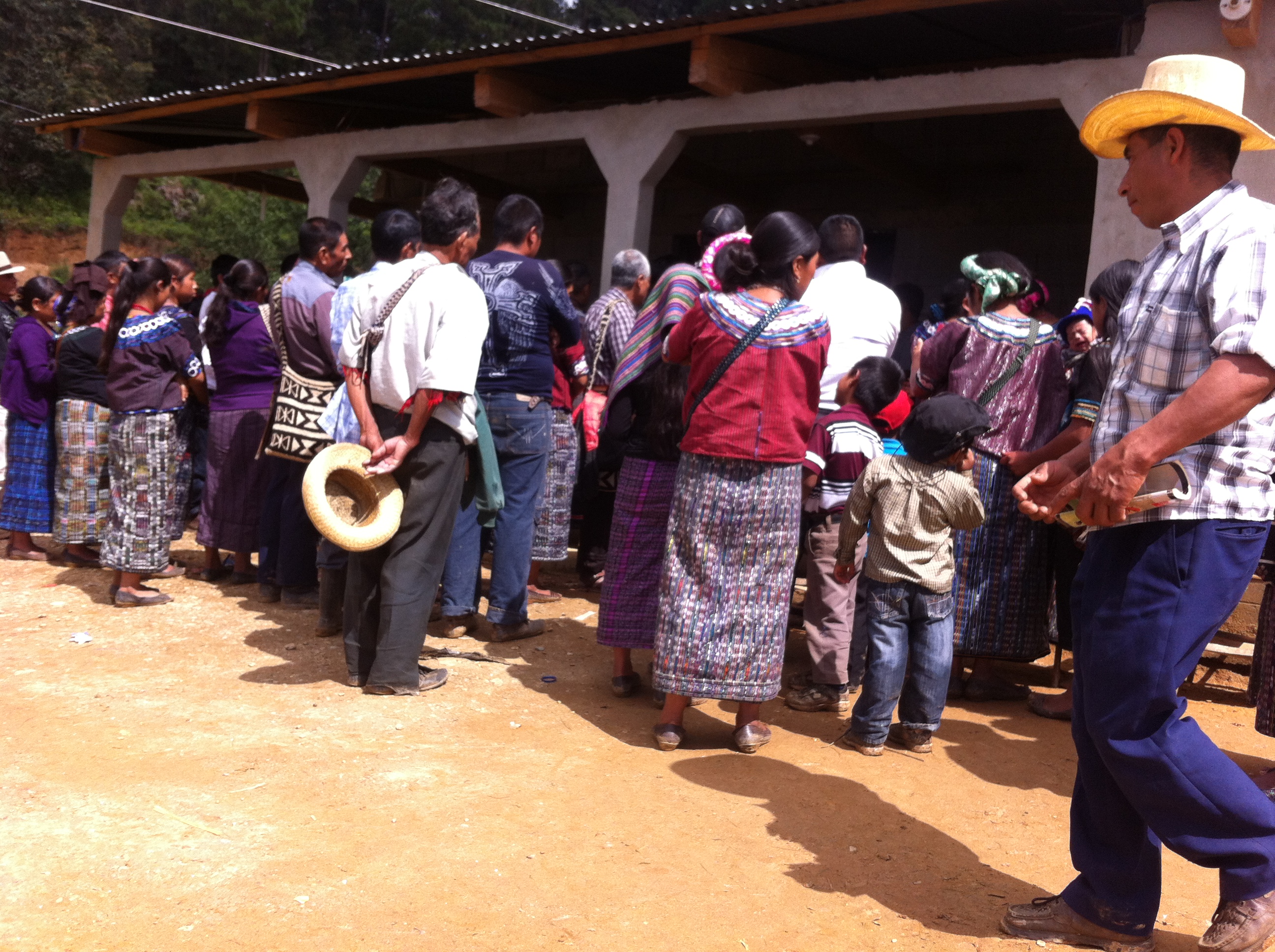
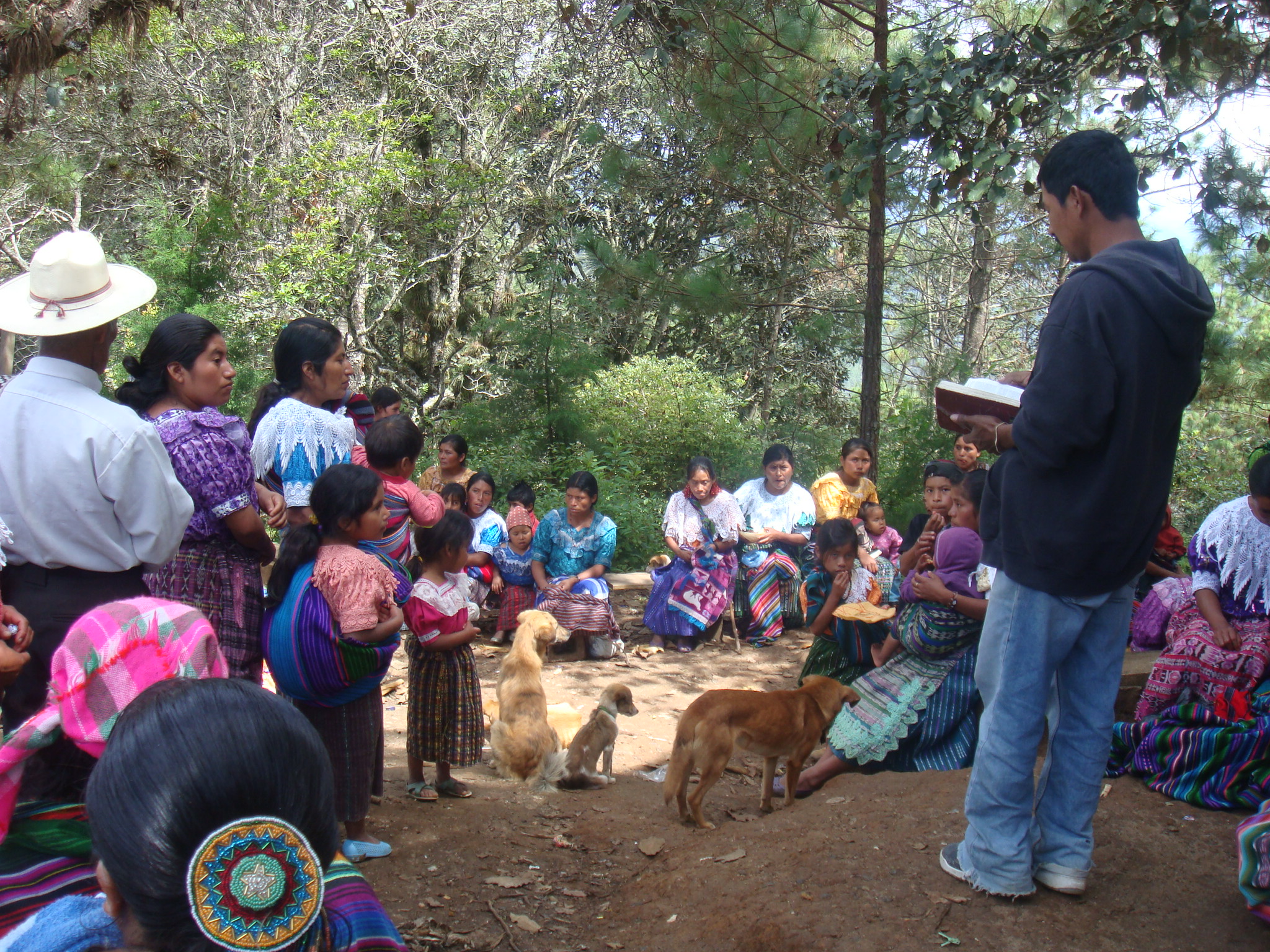
Clinic time has always been a place for me to truly see the people, and by see I mean to know the heartbeat of the culture as well as to connect with the hearts of the people.  In my first few years here I could be easily brought to tears through some of the stories that were told, by seeing a malnourished baby or listening to the concern that a father had for their daughter.  Over the years much of this has not changed.  Each of our clinics is diverse and the people that come there have their own flavor.  This past Thursday we had our monthly clinic in Chumisa.  This is an area of spiritual darkness where we leave wondering sometimes how we were received and if anyone is listening as Armando preaches.  It is an area to be easily discouraged also as the people are less receptive and different.  We have many questions over stories that we hear and people that we meet.

Our placement here though has been unique as the village leaders actually invited us to come almost 2 years ago.  They have invested time in building a block building that we can use for clinic and they organize the people for us while we are there keeping watch over everything that we do.  As I watch them I sometimes wonder what they are thinking or if they are listening during the preaching, but I have learned in this culture that it is very difficult to read faces or eyes.  Their ears are always listening and they hear you even when they appear to be disinterested.

By spiritually dark I mean that Mayan law, as well as Mayan religion, are very strong in this area.  Although some of the men have been to the states, there has been little outside influence or governmental influence in this area.  It was one of the last areas to get electricity and many Guatemalans will not venture into this area.  There is no church in this area and we have found a very strong pagan and idol tradition.  In these areas witchcraft and other medicine is often used to cast spells upon people as well as “heal”.  In fact, for most of the day on Thursday we were serenaded by a chanting of some sort for a celebration that was occurring very close to our clinic.  We witnessed a “parade” of people carry idols down the hill, in front of the clinic and then have a gathering with them beside the clinic.

IMG_0878 IMG_0884

Many of the people of Chumisa were consumed with this celebration, we did have some bright spots in clinic.  One thing that we noticed was there were more professing Christians in clinic – truly clinging to their faith.  One woman came in with a large mass in her abdominal region.  She has been experiencing pain and has felt weak and sick for a year now.  Her ten children have left her body ravaged for strength, but an ultrasound revealed the growth that is more than likely cancerous.  In explaining the news to her, Leslie asked her if she was in a church and her face lit up.  I noticed not only did she have a smile on her face, but the lady who was having her own consult next to her slid closer to her while we prayed for her and also added bits of information about their church.

Later on in clinic a woman came in with her two youngest children concerned for their health.  Her seven year old daughter looked about the size of a four year old and had swollen hands and feet – one of the last stages of malnutrition.  Her younger daughter was faring about the same.  As she told a story that has become all too familiar with us, her countenance and demeanor was different.  Her husband left her for another woman and now she was left alone to care for her eight children.  She had become worried about their health and so she came for them to be evaluated.  Leslie asked her about going before the village leader or getting help (child support in Guatemalan terms) for the children because often times the village leaders will require fathers that abandon their children to do this, but her response was factual and decisive – No, she wasn’t going to do that.  She didn’t want to hold any grudges against him or cause any problems.  Even more, she didn’t want another husband either because then her children would be mistreated – sent to collect firework and do all of the work.  And she didn’t want that to happen either.  This is a mama who truly is putting her trust in God and her children first.  In Guatemalan culture, if a woman takes another man, the children from her first husband are often mistreated and treated like the “Cinderella children” because they are not his blood.  Occasionally we will hear of a man who does not cast off these other children, but all too often they are abused and mistreated.  Hearing her speak this truth was encouragement – not that she is now left alone to care for these children, but that she loves them enough and understands that her worth does not come from how she is treated.  She is in the church and supported by the church and is at peace with knowing she will be the sole caregiver for her children.
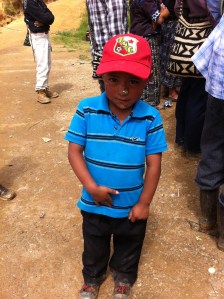
IMG_0867


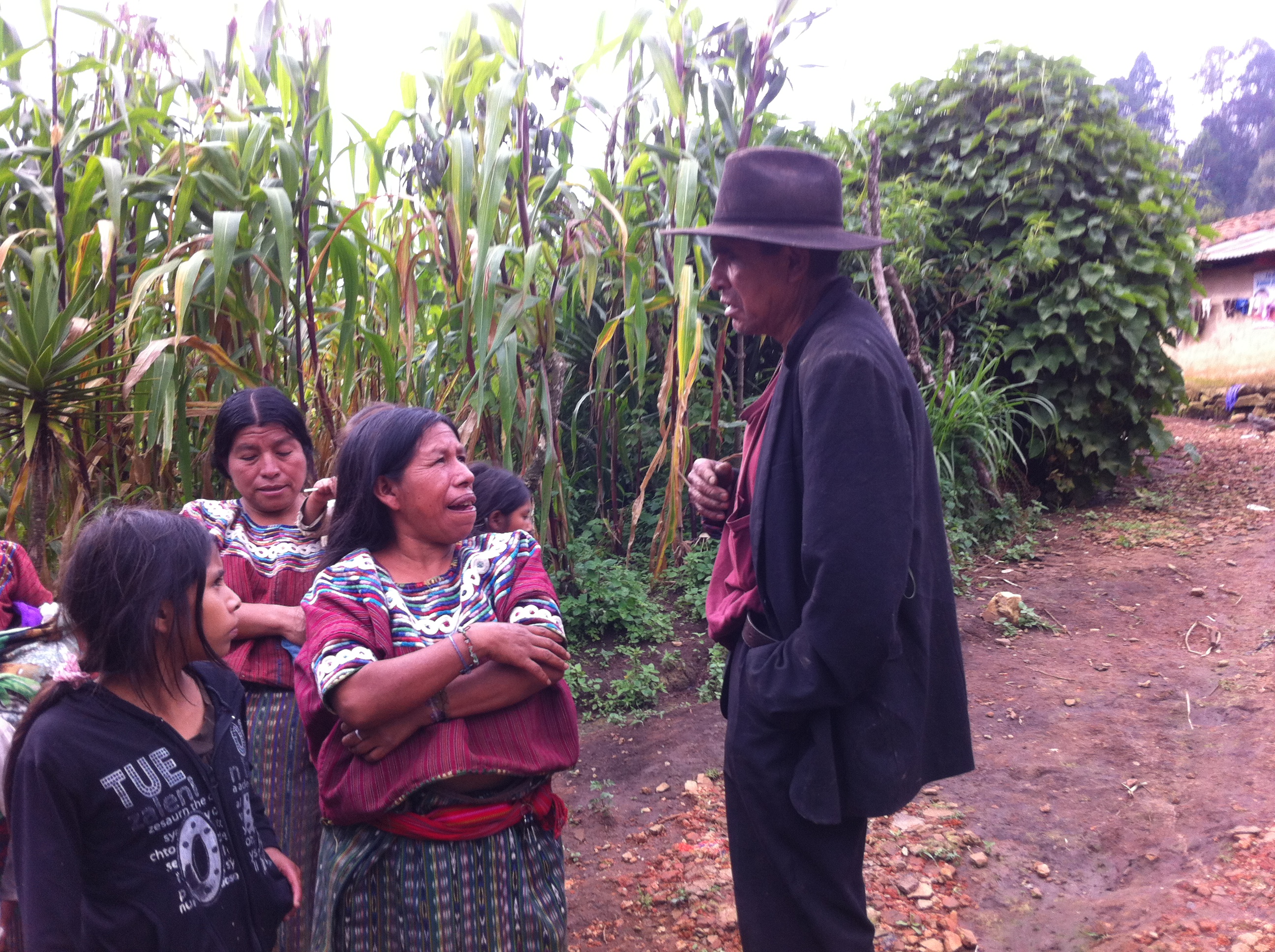
Our last patient of the day was a boy almost two years old.  Her whimpered a little as Leslie listened to his mama and looked in his ears and listened to his lungs.  His stats were in the 50s meaning that his oxygen level was extremely low and her had progressed pneumonia.  His first treatment of the best antibiotic that we had he threw up.  Knowing that there was little chance that he would make it, Leslie talked to the mom again about taking him to the hospital.  She offered to give them a ride to Canilla and help them get there.  As we took her to her house, her family ran down the driveway shouting.  This young mom was met by her parents and soon a young boy was sent to get the father of the child.  When he came they consulted.  Knowing that they would be unfairly treated in the hospital and the child would most likely die there, they chose the option of praying for him and trusting him to live with the antibiotic we could give.  His chances are slim, but we understand.  We have watched so many go to the government system and return home without their children.  It seems that there has to be a better option.IMG_0959
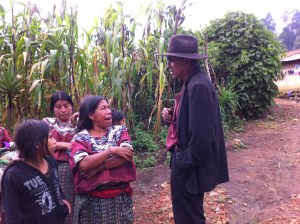
The family discussing their options.

We had many new villages and people in clinic that we had never seen before which means that our reach is expanding and our light is being cast among the shadows in this area.  We only visit Chumisa once a month because of the distance and the demands that we have, but we trust this place is hearing the truth and will one day comprehend what all of that means.
September Rains

water-or-mud-which-is-best


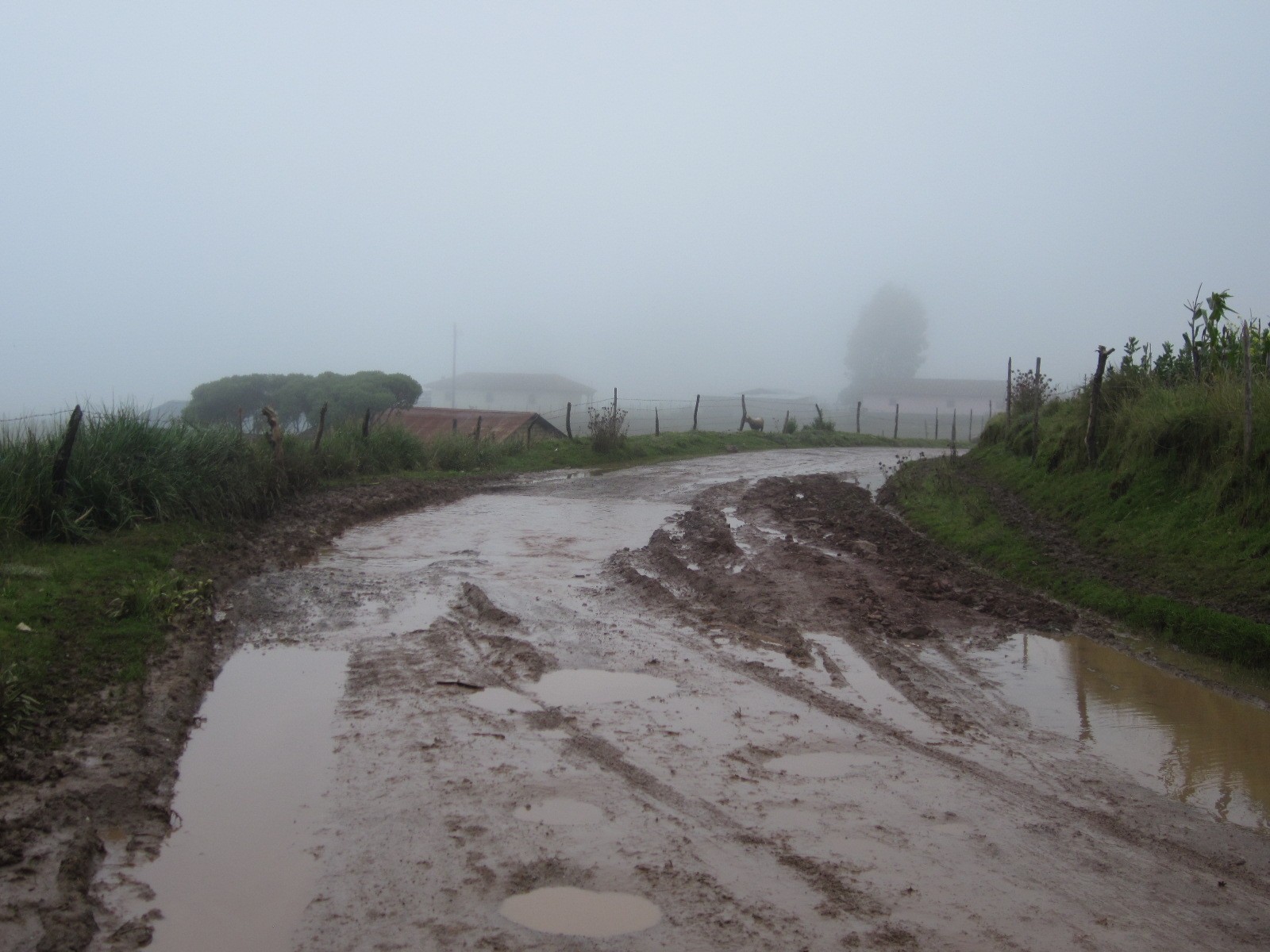
This phrase keeps echoing through my mind and is repeated so often around me.  It sounds like a good name for a song, or a scent of perfume, or even the name of a horse in the Kentucky Derby.

To me these words have always spoken about a lush time where everything is green and Guatemala’s beauty shines at its best.  I have never been here in September and I have always wondered what the talk was all about when the term “September Rains” was used.  Those that live here tell me September is the best month in Guatemala.   I have come to see this month as the most varied when it comes to rain, that’s for sure.

Rain here is usually predictable.  Not now.  Normal rain in Guatemala is in the afternoon once the clouds have gathered and the sun has been out.  You can see the rain come and you can see the rain go, but this week I have awoken to rain, it has rained in the morning, in the evening, through the night and I experienced a day where the sun barely shone through the clouds.  This is a rarity here in Guatemala.  Although it rains during the rainy season, the sun still shines most of the day and it can be raining on one side of the mountain and not the next.

The first really hard rain since I arrived came about two weeks ago.  Luckily I was inside, but underneath a clay roof, it sounded as if someone was continually dumping buckets of water on the roof.  This continued for an hour and then later that night.  It’s the hardest rain I’ve experienced, and drenched everything in the blink of an eye.  Rain here is such a blessing though and the people never, ever complain.  To me every step I take could end in a puddle of water hidden underneath the grass.  There is mud everywhere I look and I wash off my flipflops ten times a day.  Such is life – September Rains!

With the rains though, we have had a round of casualties as well.  The rain makes the ground soft and there have been landslides that have caused deaths.  In our area the greatest impact was felt when the local “ambulance” was transporting a person to the hospital, approximately a 3-5 hour drive depending on the road.  When they went to cross a bridge, the vehicle took a nose dive and the driver, local nurse, and patient all drowned.  The bridge was weakened because of the rains and caved at the weight of a vehicle.  No worries, I do not travel using this transportation and I am not in danger!  Sunday marks Independence Day here in Guatemala, but due to these casualties, our area is still in mourning and have cancelled many of the activities.

Yet as I think of the drought that will inevitably come, I am thankful for the rains.  My favorite sound is the rain on the roof as I sleep, drowning out the roosters, dogs, and other night noises.  I’m sure I will soon miss the oozing of mud through my toes and the smell of wet earth.  We will dwell on the blessings –  the lush green scenery and a corn harvest that will provide for the families for the next 6 months as we will experience a drought.

Bring on the Rain!  Imagine the music to your ears on this roof!

clay roof


El Shaddai

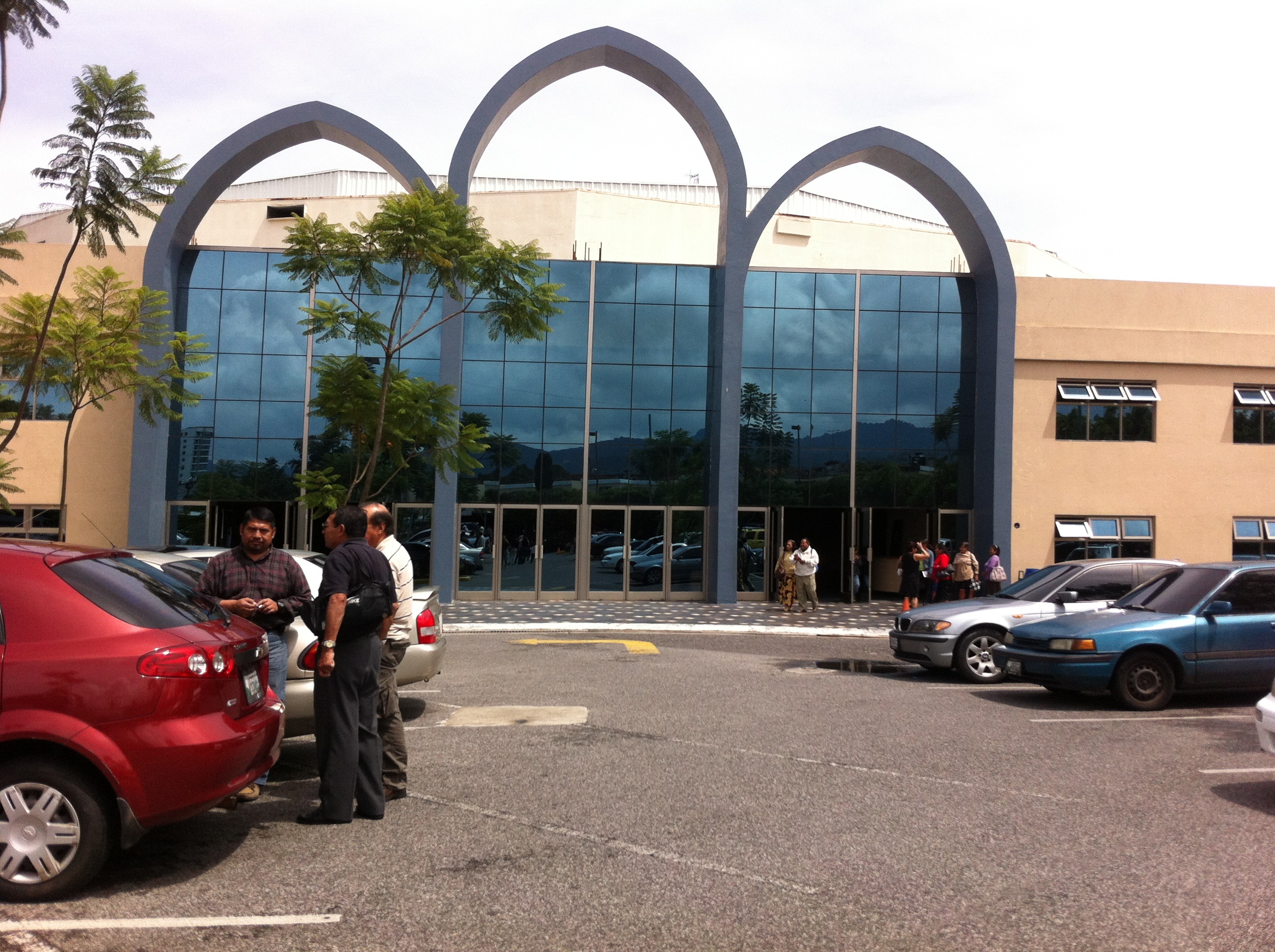
On Sunday we were able to attend church on Sunday morning. This was a rare treat. We went to a large church in the city that felt more like an American church than the Guatemalan churches we are accustomed to.  The live worship is always the best part. We sang some songs that were familiar and new songs as well, all in Spanish. This church has a heart for the people and we have connected with them on other occasions. Although their church was a stark contrast to the churches in Canilla, it was an illustration of how we’re all in this together. The Body of Christ reaches past language and economic barriers including us all. image

The city

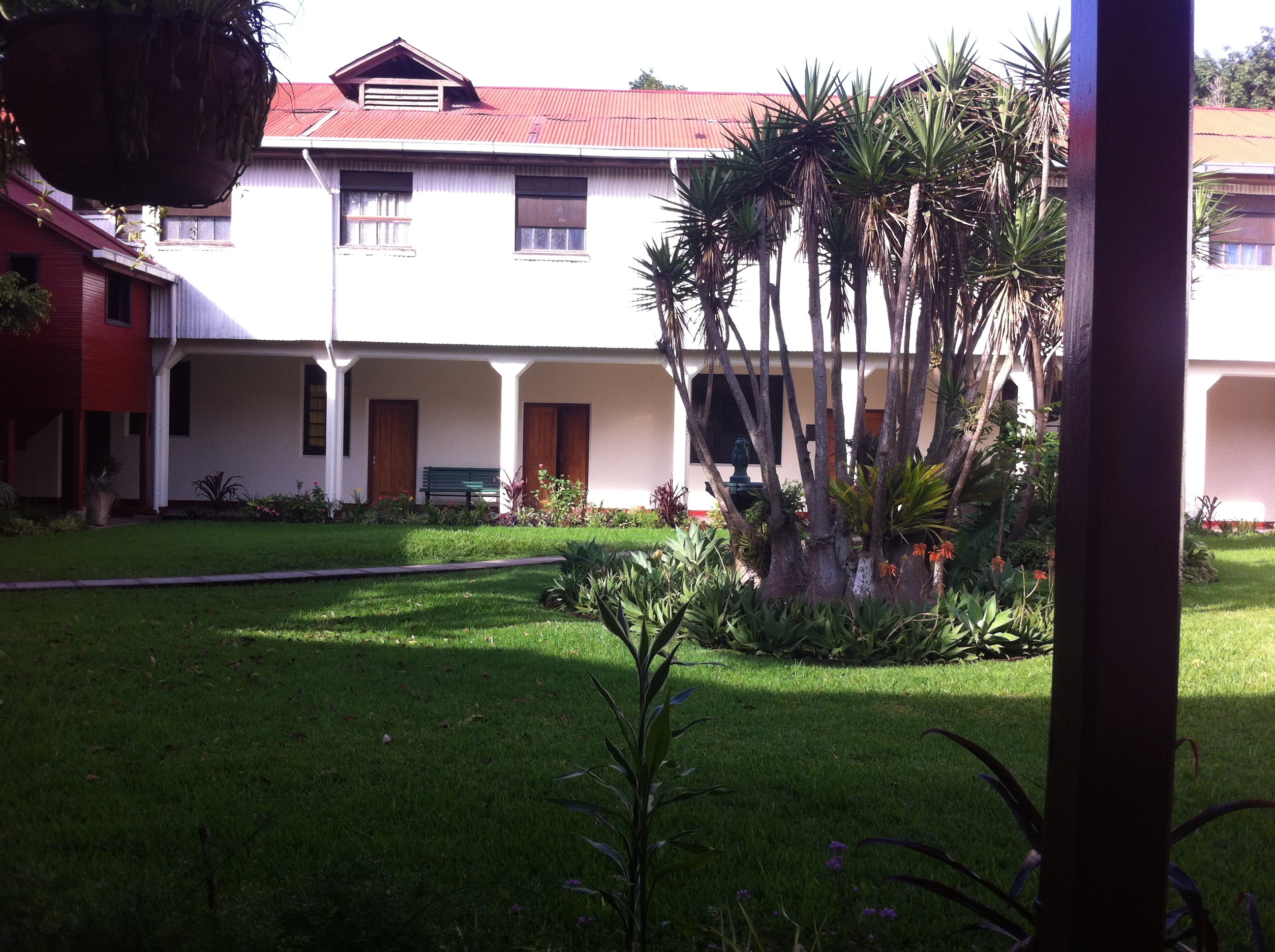
I am currently in the city awaiting the birth of Katie’s baby. We were expecting to have little Levi by Saturday and be back to Canilla but he is taking his time. I have been entertaining the kids and trying to pass the time while we wait. My main purpose in being here is to watch the kids when she is having the baby and help out as she is past due. The city is like a completely different country with much commercialism, traffic and noise. We are staying at a seminary in the city where the kids can play a and it is safe. Here is a picture of the courtyard. This is the first place I stayed when I first came with a team many years ago. My memories then were of new sounds and birds and smells. Now all of that is normal Guatemala life to me. image

Rojas Dental Team

There are some services that are so desperately needed in this area – on e of them is dentist work.  We were blessed by a group of dentists that were here for two full days from Texas.  This group was special for so many reasons.  The greatest was the heart that they truly had to serve these people.

IMG_0368[1]

I watched a dentist sit with a boy’s head in his lap for 3 ½ hours straight and work on his teeth.  He extracted a tooth whose roots were wrapped around each other and filled three other badly decayed teeth.  This dentist sat at the top of the stairs and I couldn’t help but look at my watch as I took patient after patient up the stairs.  He continued to patiently focus on this boy and he stood with him where others may have quickly passed him off or pulled all of his teeth.  This wasn’t the only case like this.  They did not take a break to talk, get something to drink, or go to the bathroom.  They came early in the morning and stayed till after it was dark.  And for this the people were extremely grateful.

IMG_0374[1]

This team that comes doesn’t just do extractions either, they fill teeth and even do root canals.  An added bonus for this team was the fact that most of the dentists from this team were completely fluent in Spanish meaning we only needed Quiche translators.  Some of the dentists were originally from Puerto Rico so their Spanish was perfect.  They made the patients laugh and comforted them knowing that many of them had been in pain for years because of broken or badly decayed teeth.

IMG_0373[1]

Between clinic and the dentists we saw over 200 patients in two days.  At the end of the night, my brain was exhausted.  I have come to realize that a day filled with translating Spanish in my head and finding the right words creates a massive headache.  I am hoping as I am more immersed in the culture and language that the Spanish comes easier and easier!

IMG_0371[1]

Normal

I feel as if I should define a normal week as we approach September and what is normal will become the new normal.  I have been here ten days now and those days have been filled with daily life and praying and planning over what is to come.  Clinics have continued along with daily life and work on the new building.

Here is a snapshot of what normal looks like….

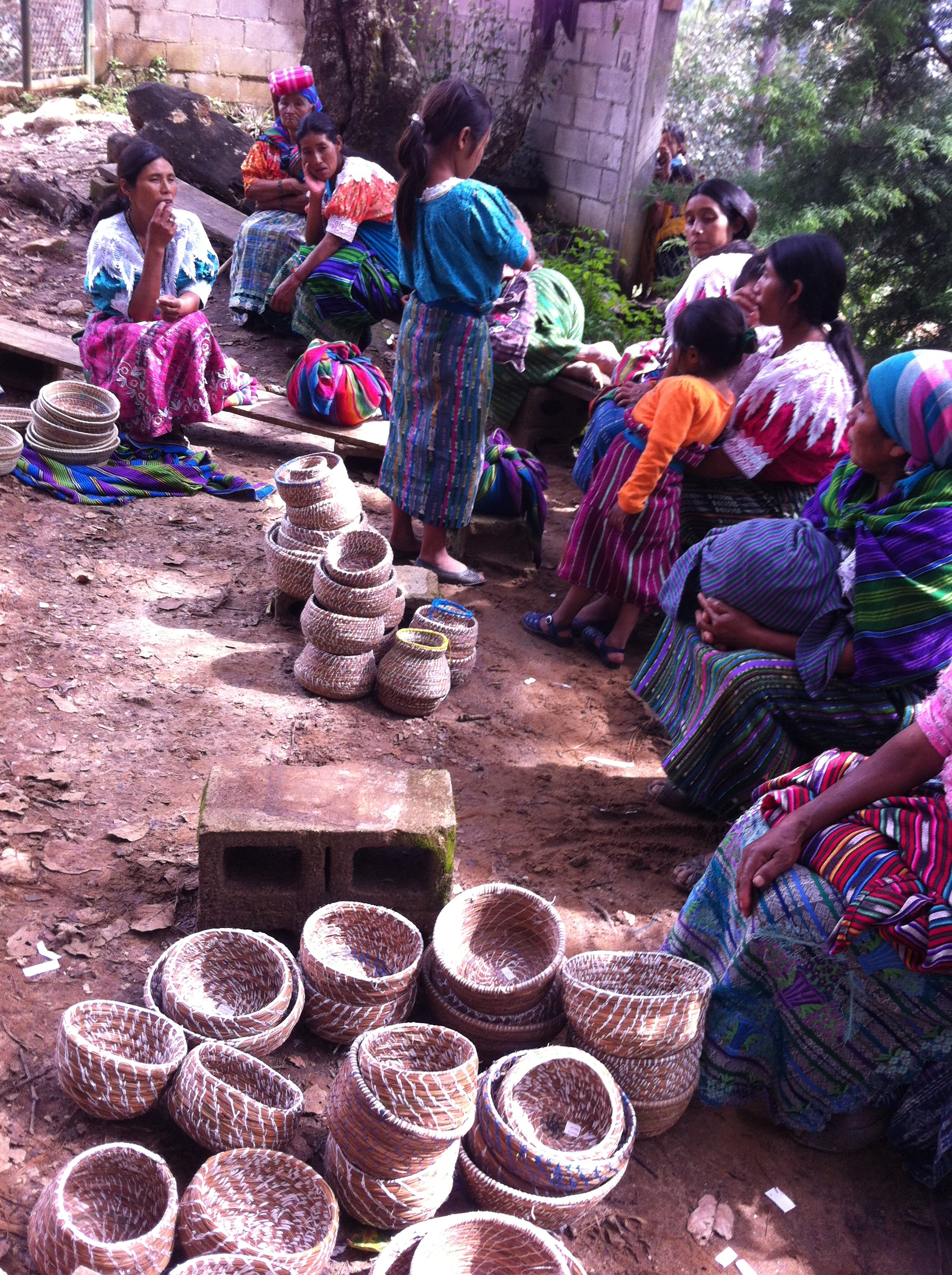
Friday we visited the widows, did a short devotional with them along with a time of sharing. We meet in Chiminisiguan which is a 40 minute car ride followed by a 30 minute walk to our clinic.  These women get together once a month to share with one another as well as bring their baskets or other goods that they have made since the last time we met.  The ministry supports these women by buying their goods and providing them with a small bag of food.  Many of their children were in the final stages of malnutrition when they were brought to our clinic for help.

IMG_0204

On Friday we also did our grocery shopping for the week.  Friday evening is market where the people come in from the surrounding villages to sell their fresh fruits and vegetables.  We stock up every Friday for the next week.

Saturday – Clinic in Canilla – Clinic days mean traveling to our clinic, seeing patients as well as children in our nutrition program that come in from the surrounding aldeas.  On these days I monitor the children in our nutrition program by weighing them and charting them and then assist Leslie in seeing people that have come for medical care.

Sunday – Clinic in San Andres

IMG_0240

Monday – Paperwork – typing up information on the widows, preparing information on the nursing school and the needs that abound with it.  We are also going to be switching to a new charting system with patients so I am trying to process what that needs to look like as well.

Tuesday – Clinic in Chiminisiguan

DSC00467

Wednesday – This day is our Sabbath.  As you can see the other days are filled with ministry and preparation and we have come to learn that we can fill all of our time with busyness and continual work if we are not careful.  And so we have set aside Wednesday as our day of rest.  I spent my morning listening to the sermon from last week, doing some reading, cleaning and settling in more and took a walk up the canal to do some bug catching with the girls!

Tomorrow will be a prep day for a team of dentists that will be coming to this area to do extractions, fillings, and treat infections that many of these people have lived with for years.  We’ll have to clean the rooms, move in tables and chairs, set up the entrance and make sure everything is ready to see roughly 140 people this weekend.

Thus finishes the last normal week we will have for awhile.  As this fall approaches and we experience a lot of change to the way things were, we covet your prayers as we continue to move forward in all that God is doing here.  Just this week we added an engineering team to our list of visitors for October that will be helping with the design of the hospital.  The pieces to this puzzle continue to come together and I am excited to see the development continue.

What’s New?

IMG_0108When I come each visit we often play this game as I can pick out things that are new as opposed to those that live here constantly; they often feel as if everything is the same.  I can point out construction that has happened, new homes, the change in cars in town, new stores, prices of products, and advancement in people.

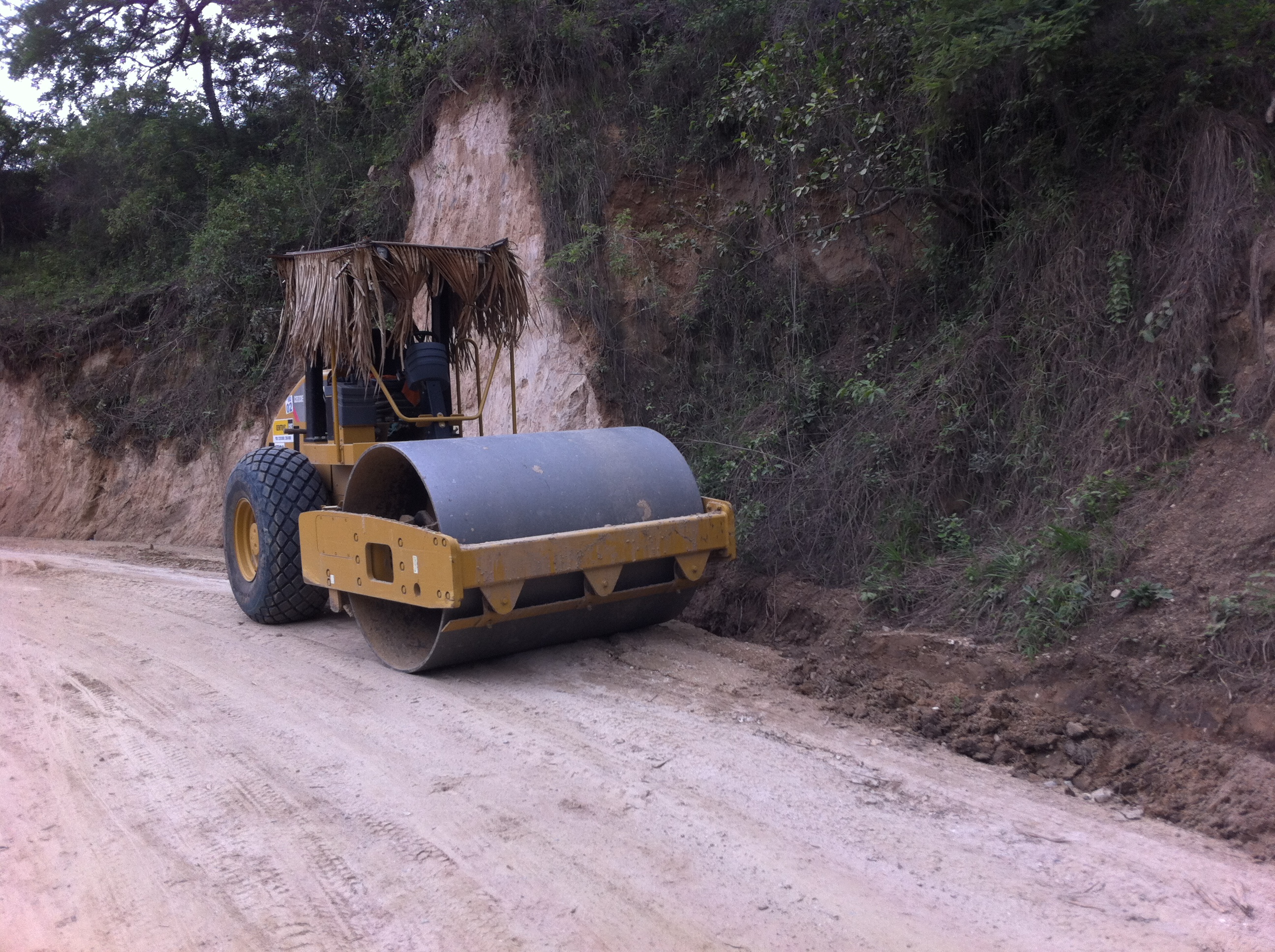
One of the greatest “new” factors around here that has caused much excitement is the development of the road.  They are not just widening the road and making it more passable, but they are actually planning on laying cement and paving the road to San Andres.  This project is something that we have heard in the works for years and didn’t actually think we would see happening until the construction vehicles moved into town.  It is not just a few construction vehicles, these are very expensive and extensive machines – many of which I cannot name.  I need to watch a little more Bob the Builder!

It is difficult to go anywhere without noticing the action.  There are eight dump trucks that begin at 5:30 in the morning that drive past our house to go to the river which is south of our house.  In the river there is an excavator which fills the dump trucks with materials for the road.  Last week the trucks were filled with very VERY large rocks that are being laid as a foundation for the road.  This week it is 8,000 loads of sand that will be laid on top of the rock to build a foundation for the road.  How long will this project last?  They are hoping to have it finished before the new president takes office – in two years!  It is amazing that a project like this might take that long, but they have many disadvantages as well working in this area.

There are so many positives to this project.  The government is hiring local workers to do much of the physical labor in collecting and laying out the materials.  First the road was widened and many curves were taken out.  In many places they had to blow away chunks of rock to make it passable.  This is investing money right into the local economy and giving work to many of the people that otherwise struggle to find employment.  The government is also playing landowners for materials that they removed from their land.  Those that own property by the river have hit a jackpot as they have received money for the rock and now the sand that is in front of their property.

On a personal level, this road reaches into the area of people which we feel most drawn to serving.  San Andres is an indigenous area where the people have less money and resources.  This road takes our 40 minute trip and cuts it down to 15.  With the smooth road, it will also me easier on the vehicles as well as us as we travel to San Andres each Sunday and often throughout the week.

As for other things that are new, there are many changes that are happening right now within the ministry.  There are definitely exciting times ahead.  As these changes occur, there are many decisions that have to be made as well as vision in order to see what needs to happen first.  Please pray for us through this experience as we know we are to prepare for the new.

Blessings!

Adrienne

Arrival

Here’s a shout out to let you know that I am on Guatemalan soil and nestled in.  I cut it a little close this time ….. I’ll share a few positive and negative firsts to pass on….

 I had a hiccup last night when I realized where I normally keep my passport there was no passport.  And my desk where I keep my passport was sold in my yard sale.  So after me mentally being at my breaking point and tearing apart my house, I “accidently” found it.  I actually hadn’t taken it out of my carry on bag from my June trip to Guatemala.  Whoops!  I guess I was preoccupied when I got home.  Traveling point – know where your passport is at all times.

I had another first today as well…. when I travel I always have three bags and a backpack – two bags on wheels and dragging a large bag I call my body bag.  As I made my way in the door a gentleman asked if he could assist me to the check in counter.  In the twenty+ times I have struggled through the airport, this was the first someone assisted me so joyfully.  I was glad for the encouragement this morning.

My last first will be for those who know me well…. as I was flying today the girl beside me must have dreamt in her sleep and hit me.  For a split second I did almost hit her back, but after so many hugs this week, I had control of my reflexes and kept my hands from hitting back.  What a pleasant first 🙂 

Clinic in Chiminisijuan tomorrow….. Blessings to you as you read this!  Thanks for your prayers…. they got me here, now to just sustain me!